Investor Newsletter, February 2026
Mar 14, 2026
Dear Investor,
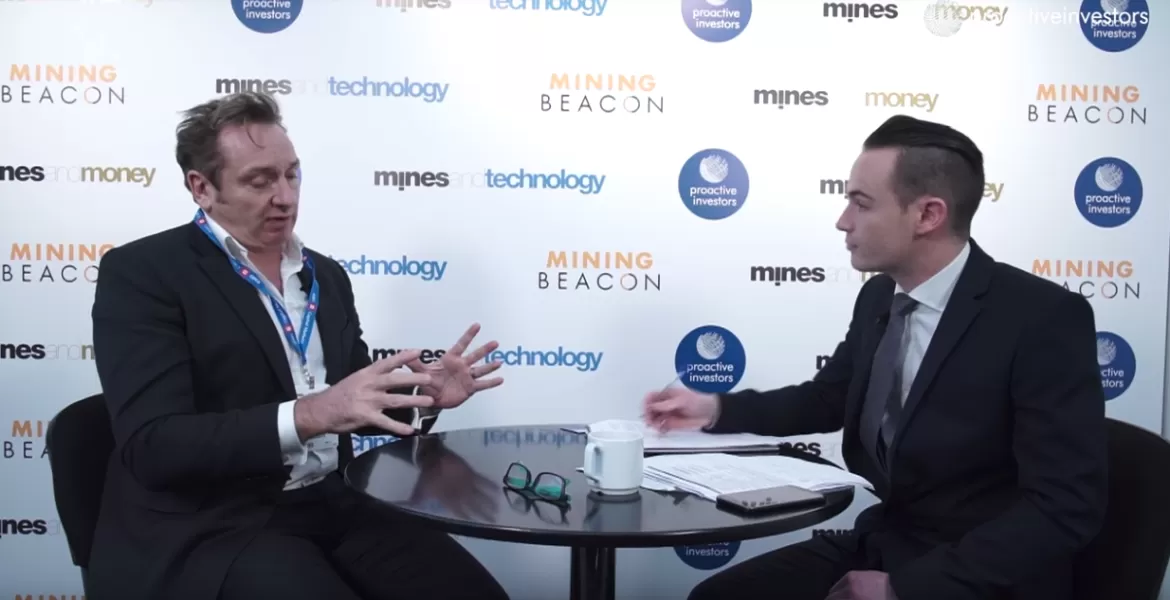
Apologies as we are a week late on this one. PDAC got in the way. As many of you will know, this year’s convention hosted more than 27,000 attendees, and the mood was upbeat with a strong investor turnout.
As usual, the event provided a valuable opportunity to reconnect with long-standing shareholders and meet new ones. We met with our major investors, shared our plans for the year ahead and, importantly, listened carefully to their feedback.
Among the veterans at PDAC there was a natural temptation to explain today’s reality by searching for analogues in past cycles. Mining has always been a cyclical business and seasoned investors instinctively look backwards for clues about what might come next: But to me, at least, something feels different this time.
For as long as I can recall, this is the first time governments themselves have entered the room: not just mining ministries, but treasury departments, defence analysts and strategic planners.
I would have paid to see the look on civil servants’ faces when the mining folder first landed on their desks. Inside they would have found a peculiar situation: a world that urgently needs metals, and an industry struggling to build the mines required to supply them. They may also have noticed that many of the obstacles had been put in place by the very governments they work for.
Capital, it turns out, was only part of the problem. Political will, or the lack of it, may have been the most underestimated constraint on mining for the past two decades.
A useful statistic illustrates the point. In the 1990s the average time between discovery and production for a mine was around six to eight years. Today that figure is closer to eighteen years. In other words, it now takes roughly three times longer to turn a discovery into a producing mine.
If we accept that discoveries themselves have not suddenly become three times harder to make, and that of course some parts of the planet should never be mined, then it is reasonable to ask whether this is simply a question of political will.
That reality is now colliding with something new: a global recognition that metals are strategic. Copper, gold and other critical minerals underpin electrification, defence systems, industrial policy and national resilience. The race for secure supply chains has therefore drawn in a new class of actors: governments, sovereign funds and strategic investors who previously paid little attention to the exploration end of the industry.
For mining this represents a profound shift. Exploration companies, long the most under-appreciated part of the value chain, are increasingly being recognised as the starting point for everything that follows.
In the near term, motivated regulators, or deregulators as the case may be, will likely focus on the backlog of advanced projects already sitting in permitting queues. Those assets can be moved forward relatively quickly if political will exists.
But beyond that backlog lies a more fundamental challenge, one we all understand well: the need for new discoveries. Governments can finance mines, subsidise processing plants and support supply chains, but they cannot manufacture discoveries on demand.
Most jurisdictions learned long ago that while the state can guide strategy, the private sector remains far more efficient at finding and building mines. The emerging model therefore appears to be one of partnership: governments securing supply through policy support, financing and in some cases off-take arrangements, while exploration and development remain firmly in private hands.
From where we sit, we are beginning to see that shift happen. If it continues, the implications for our industry could be profound.
I suspect the mining sector may have changed for good.
Fasten your seatbelts!
We thank you for your continued support.
Exploration Update
Colombia
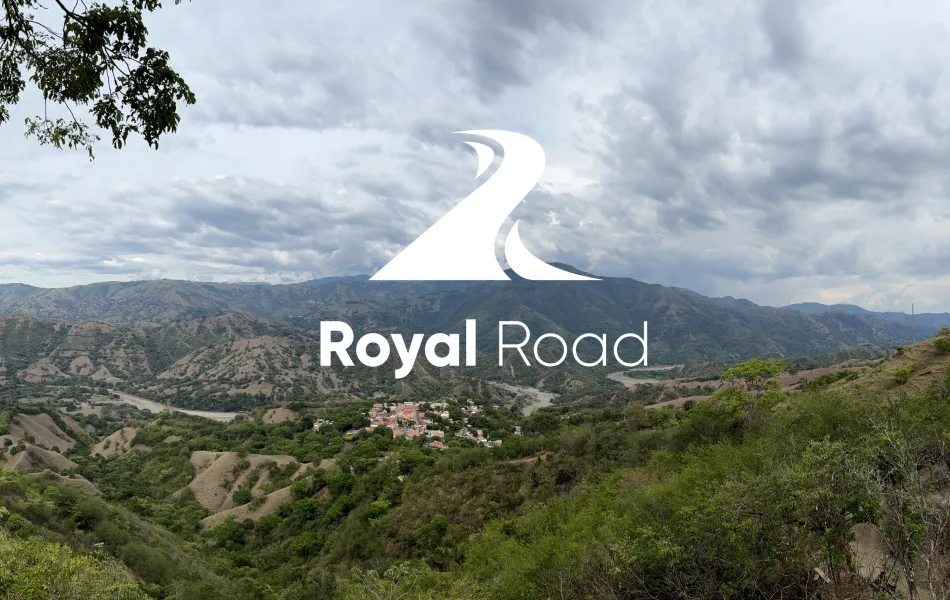
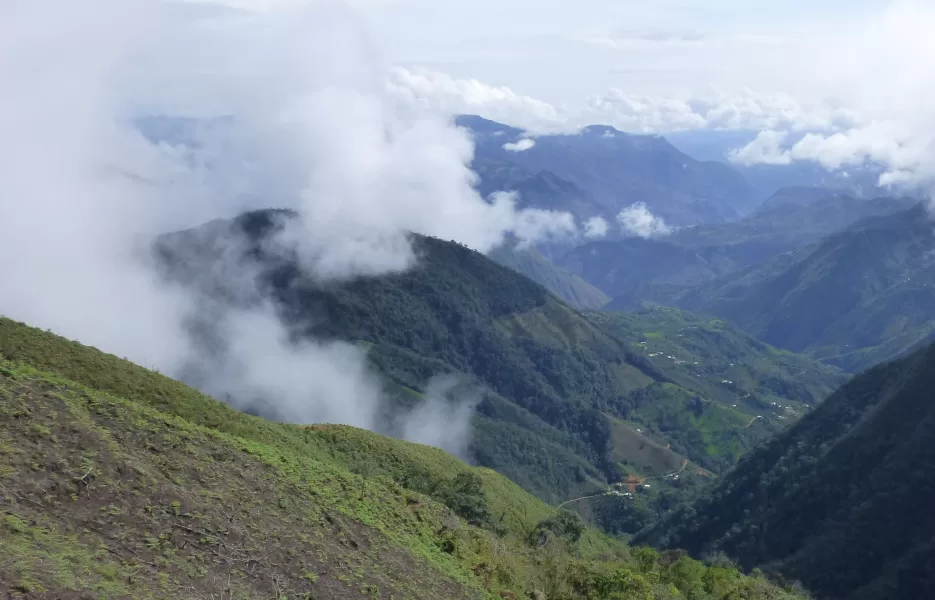
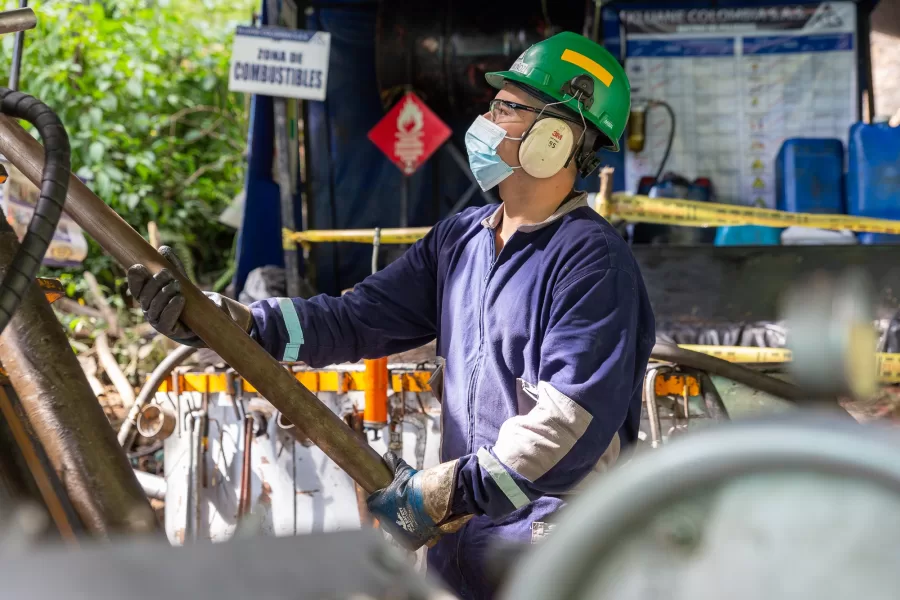
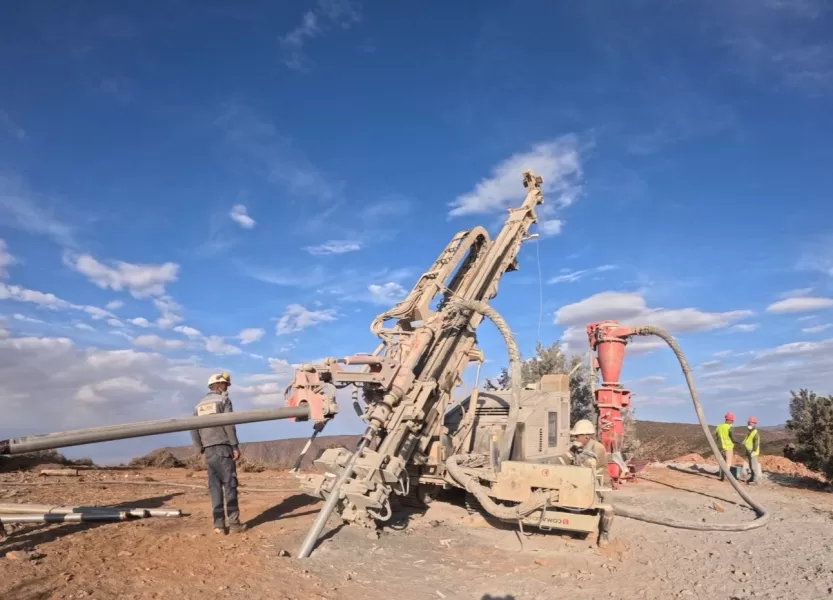
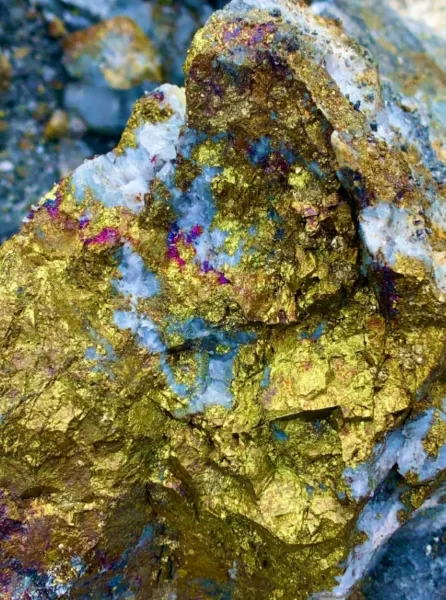
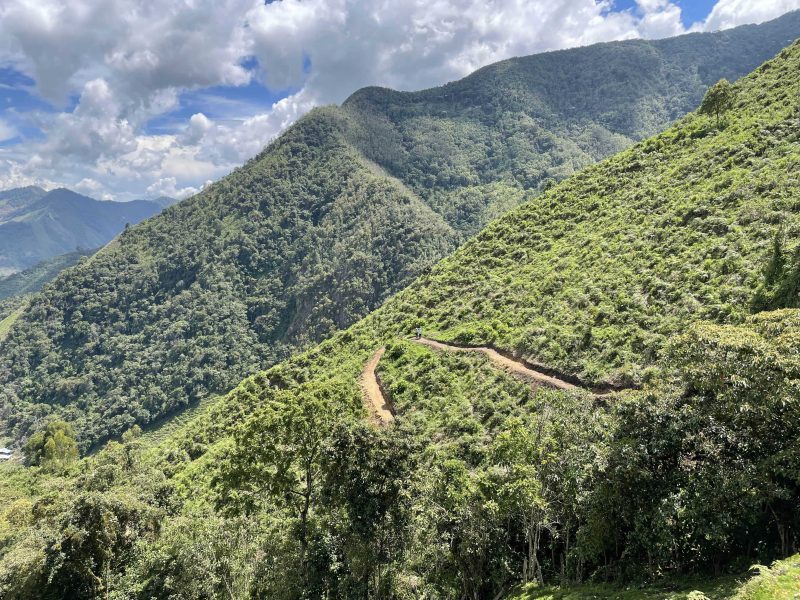
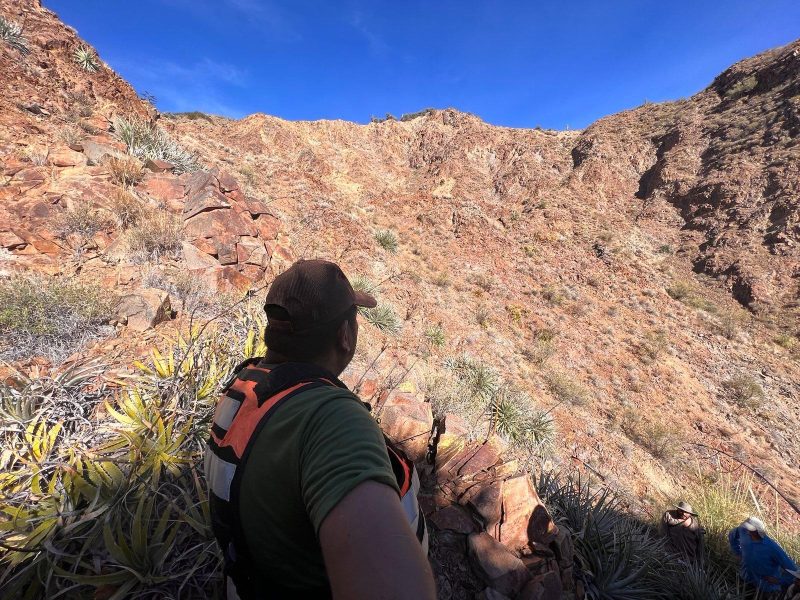
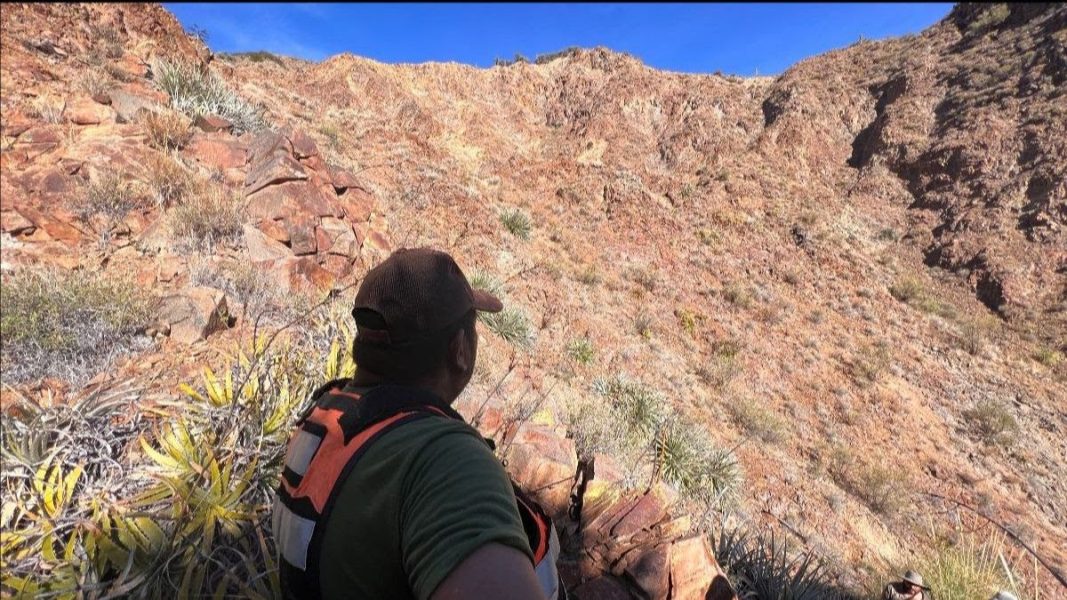
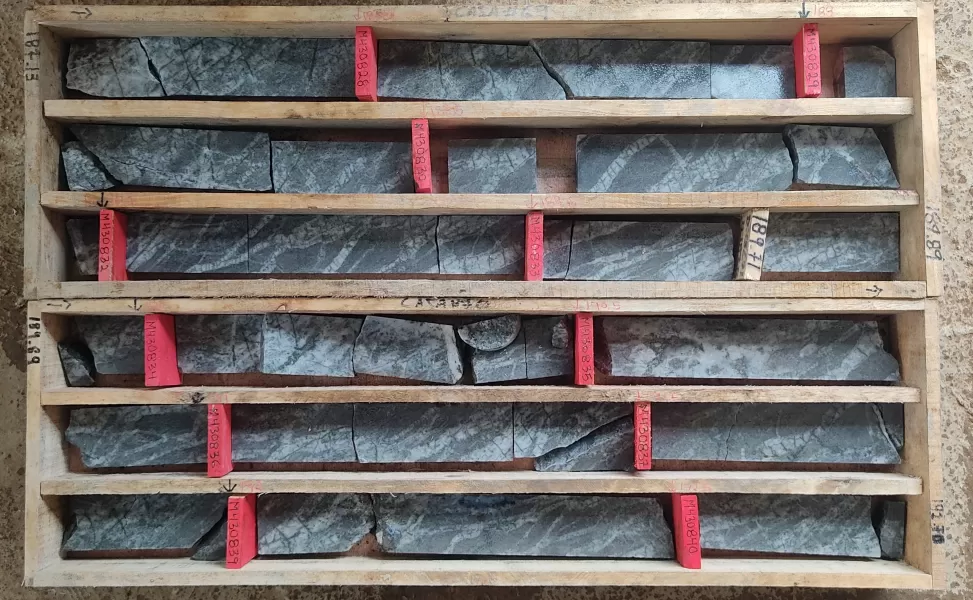
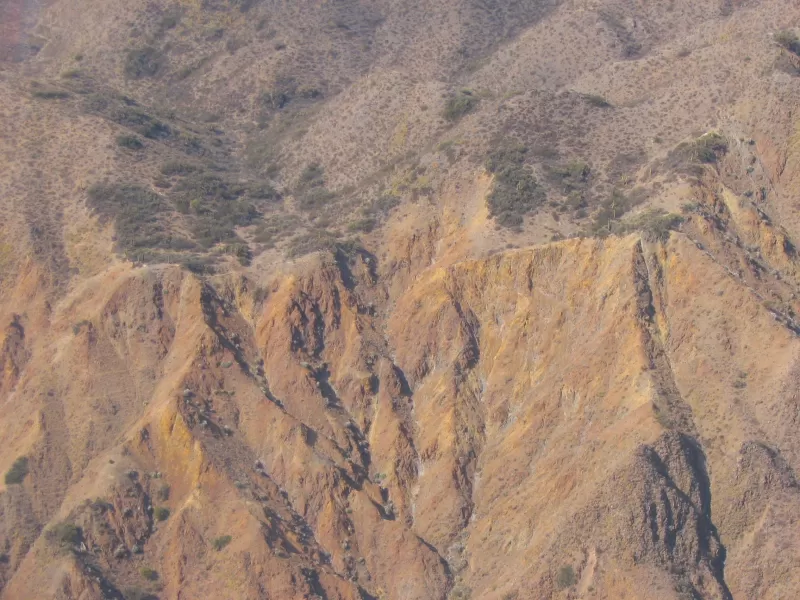
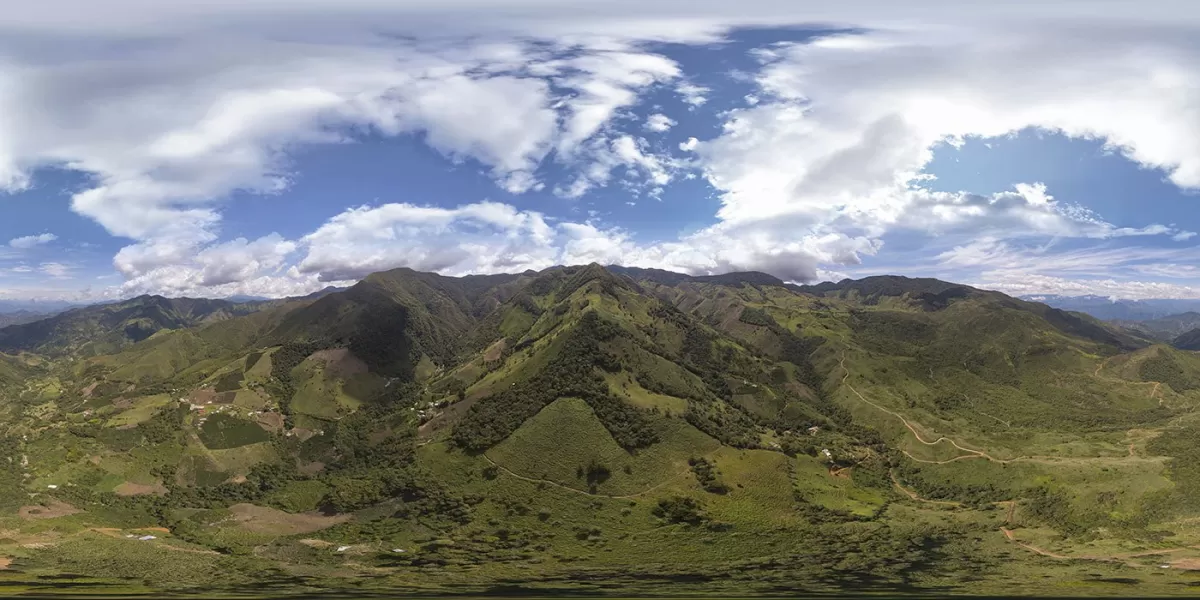
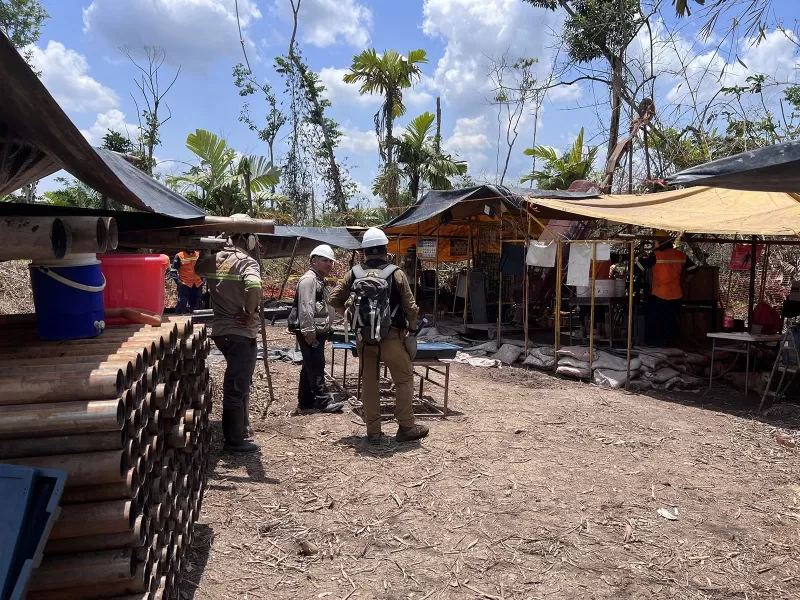
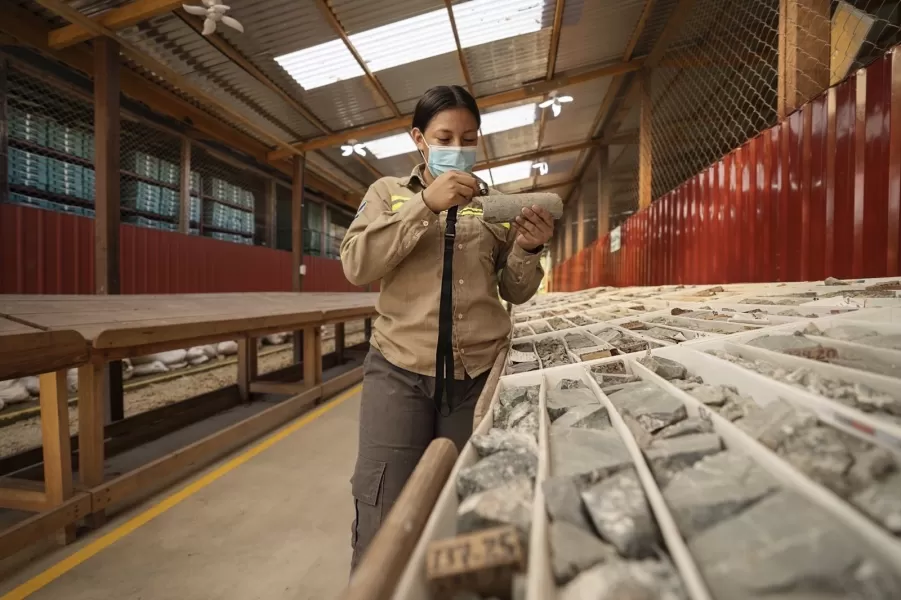
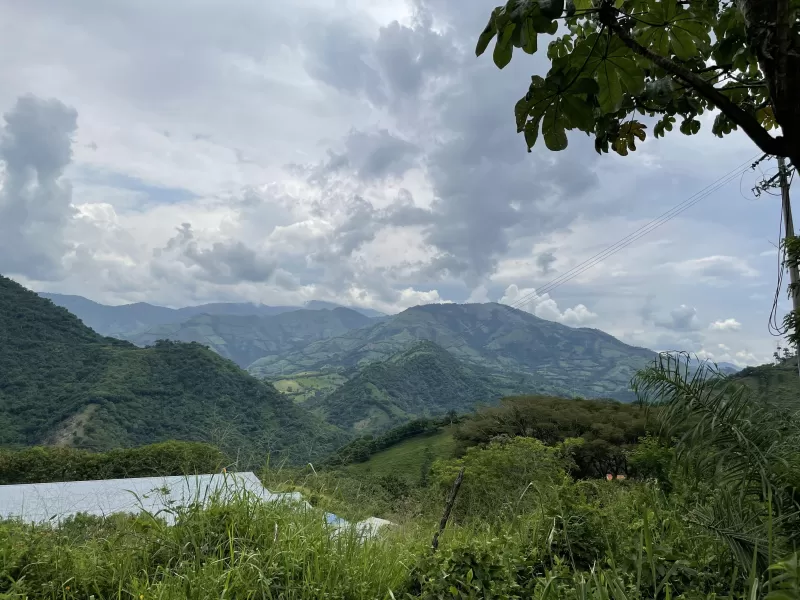
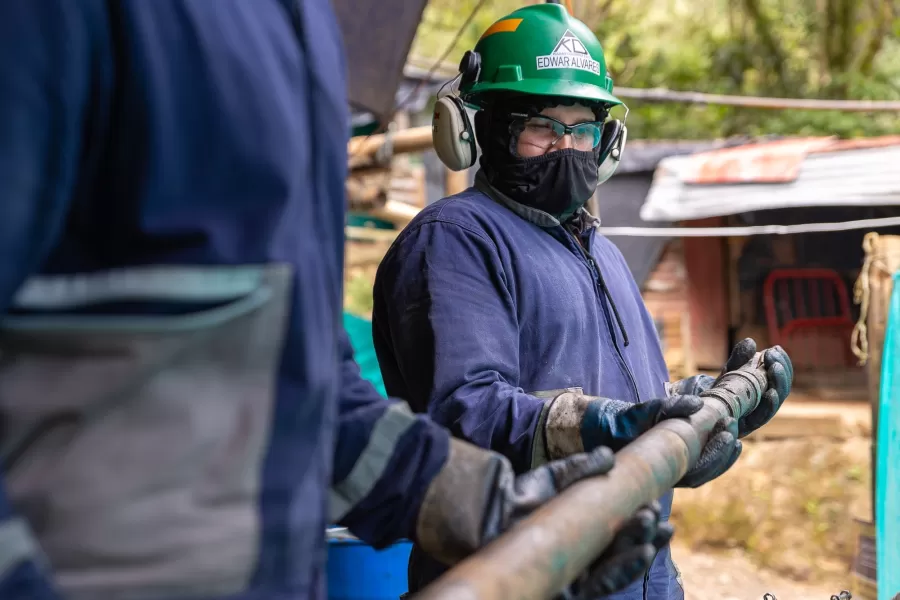
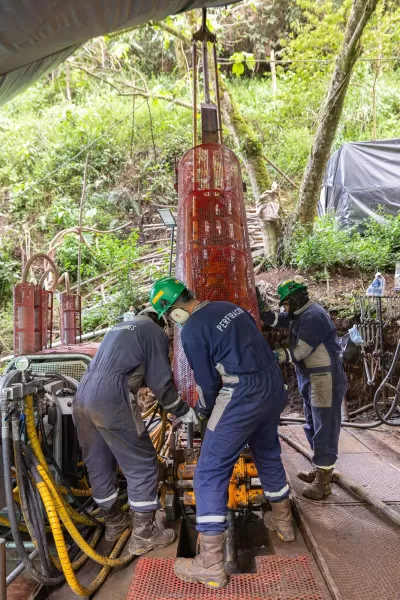
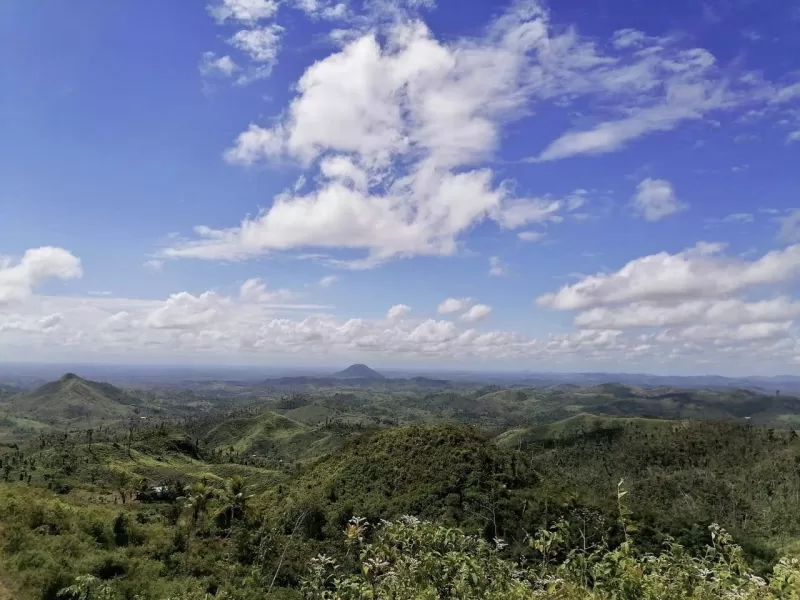
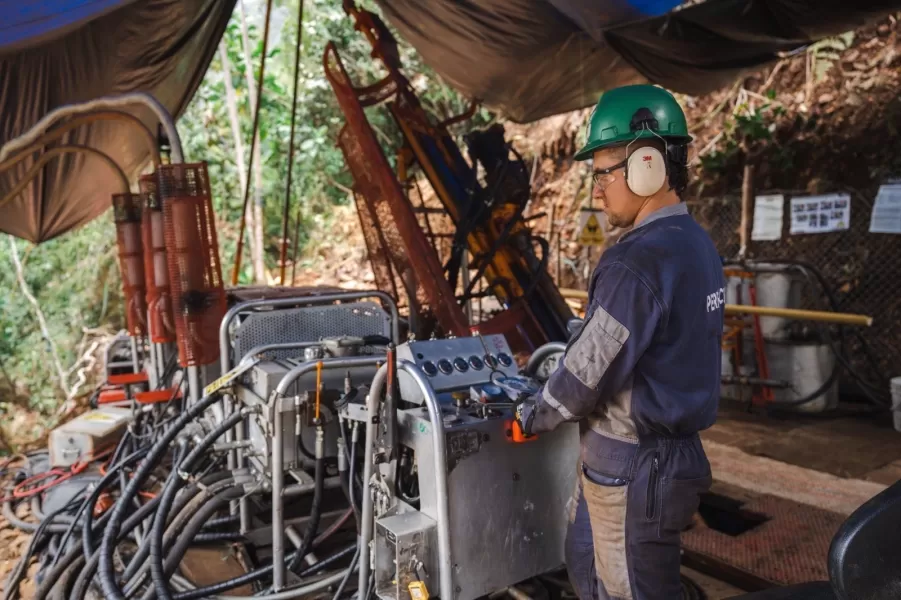
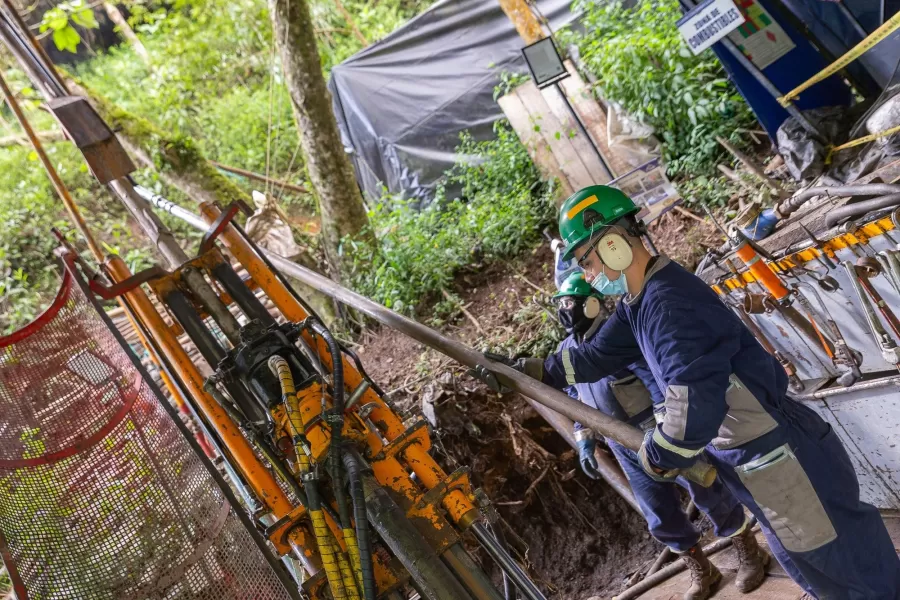
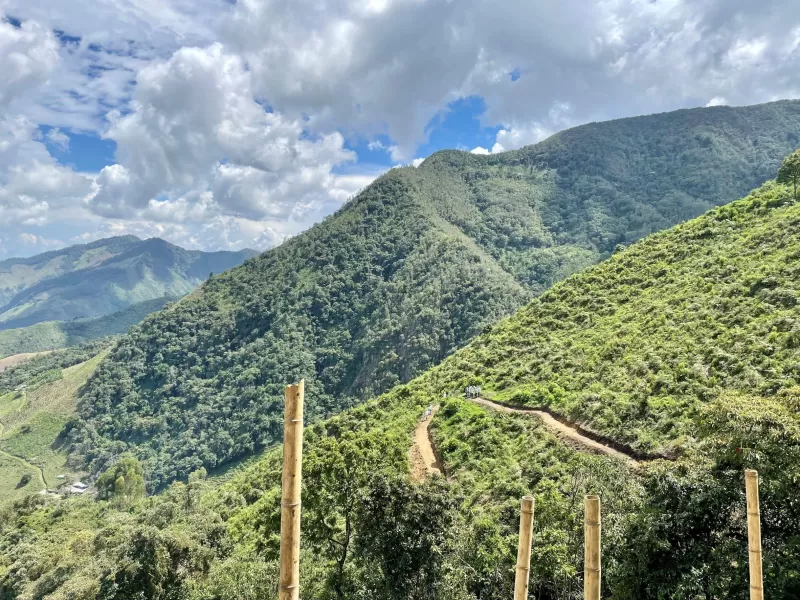
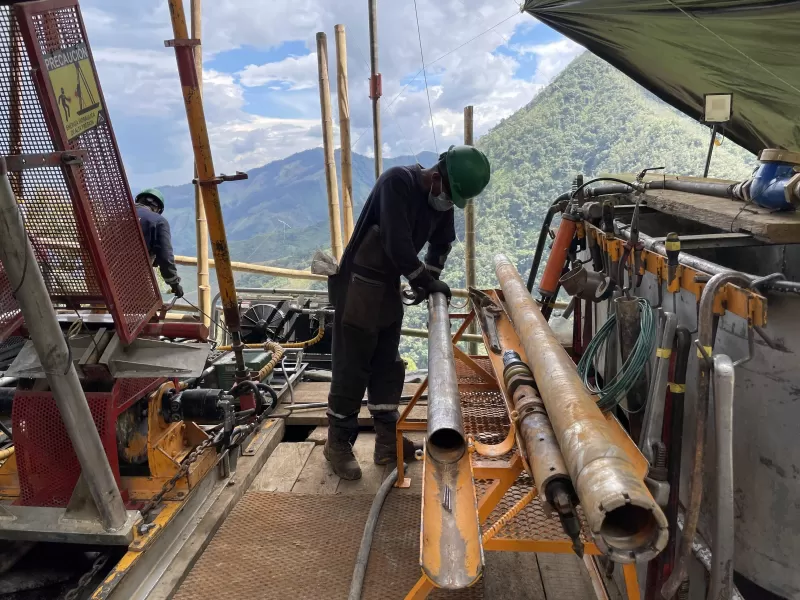
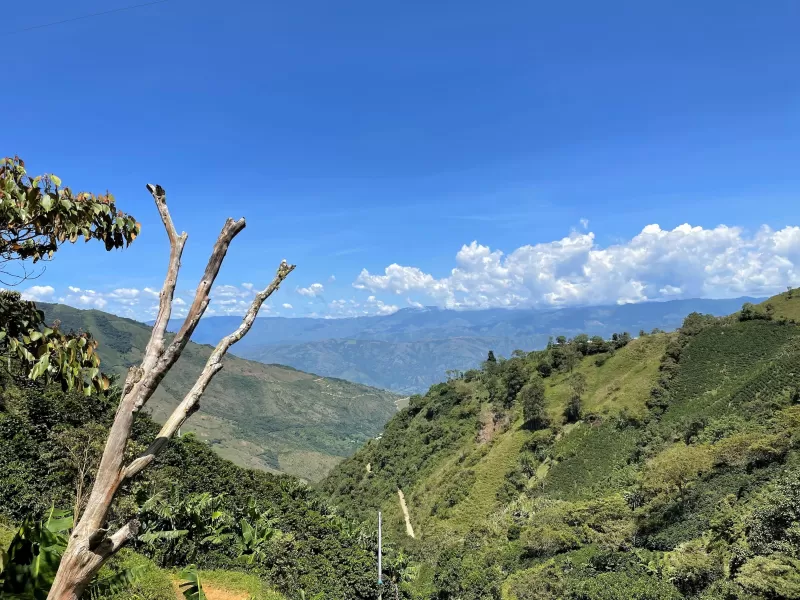
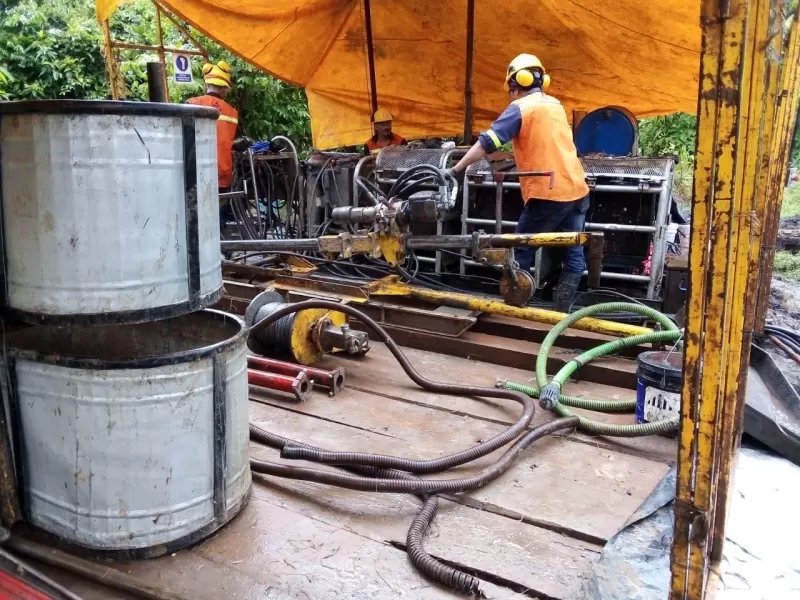
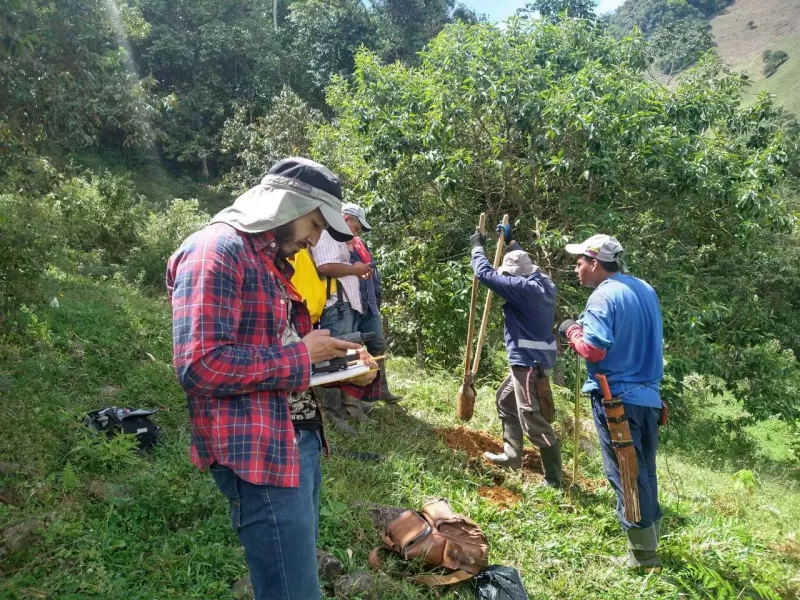
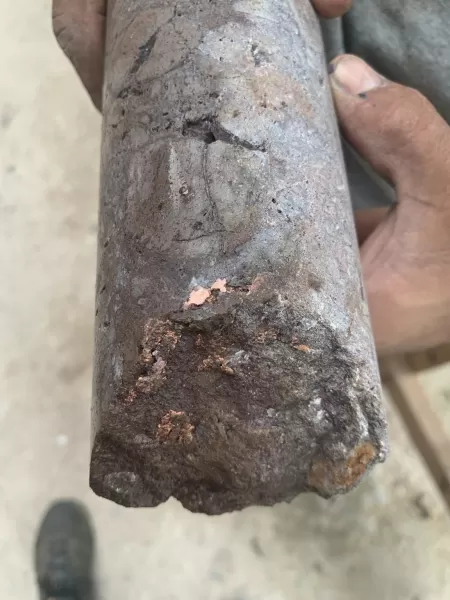
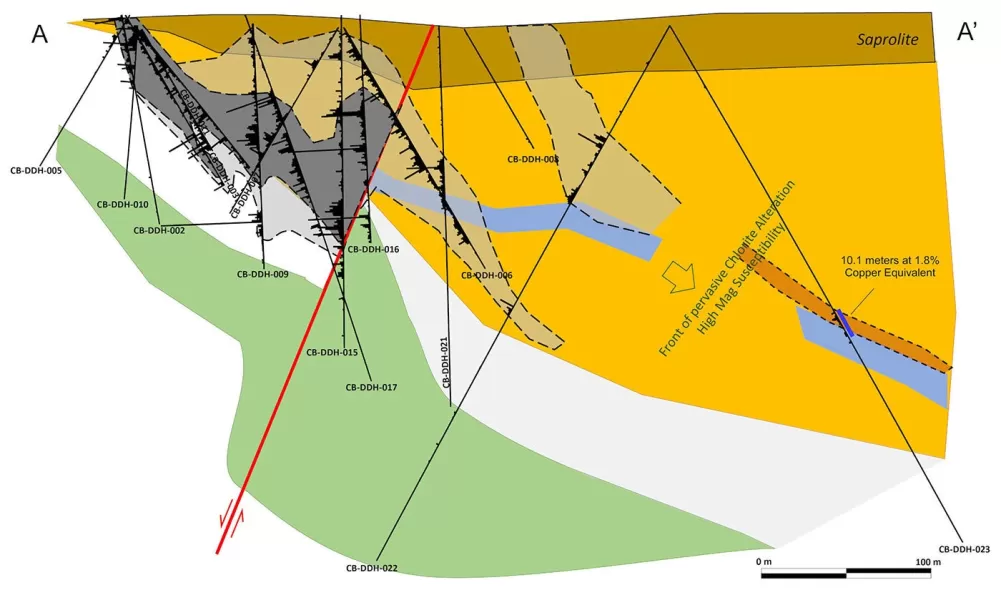
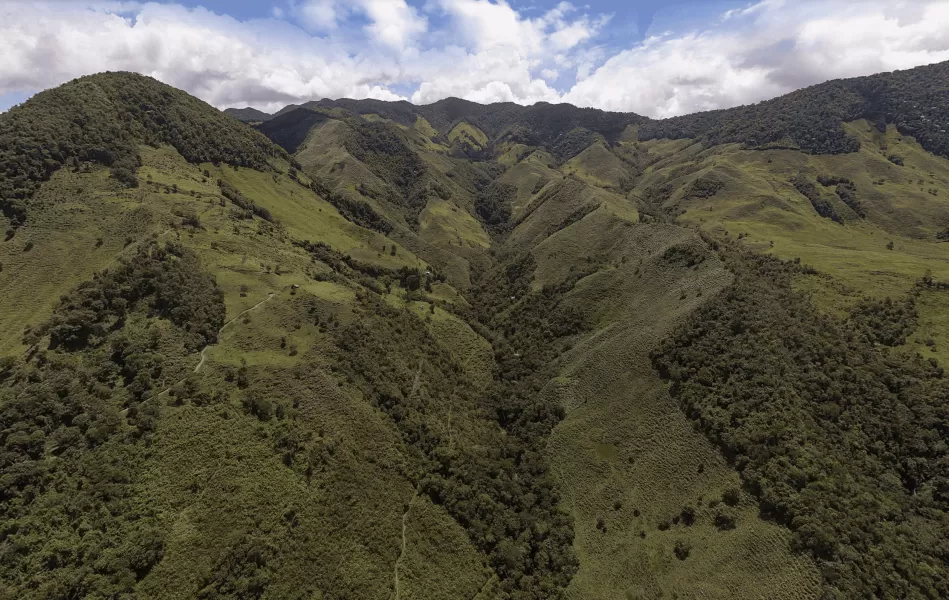
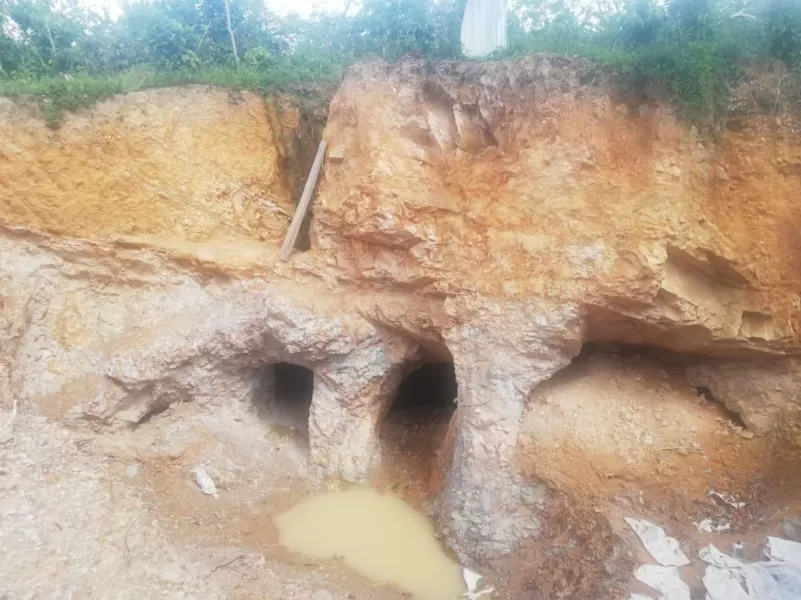
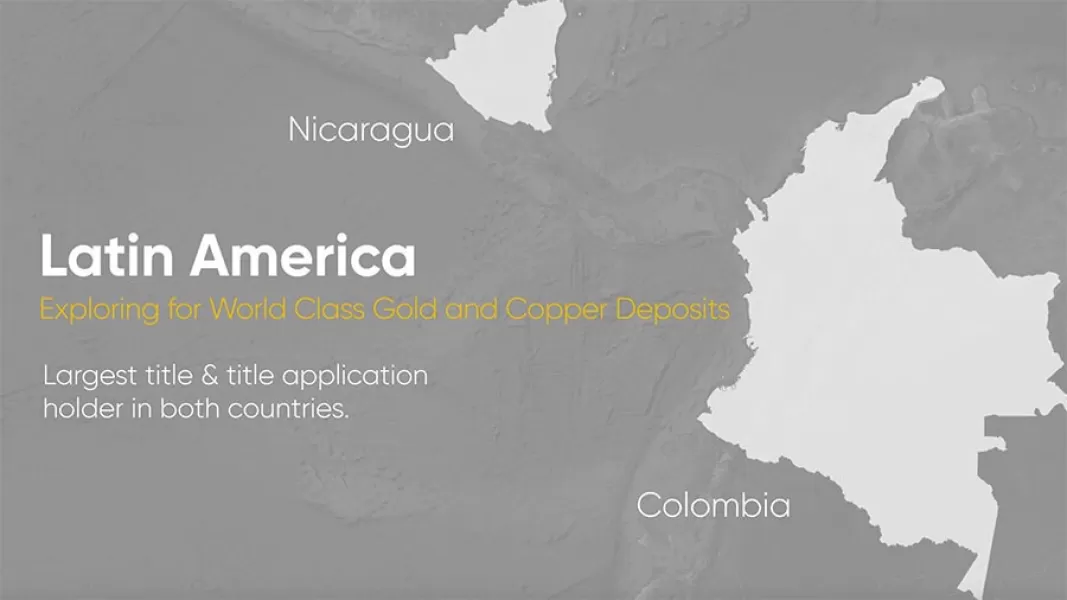
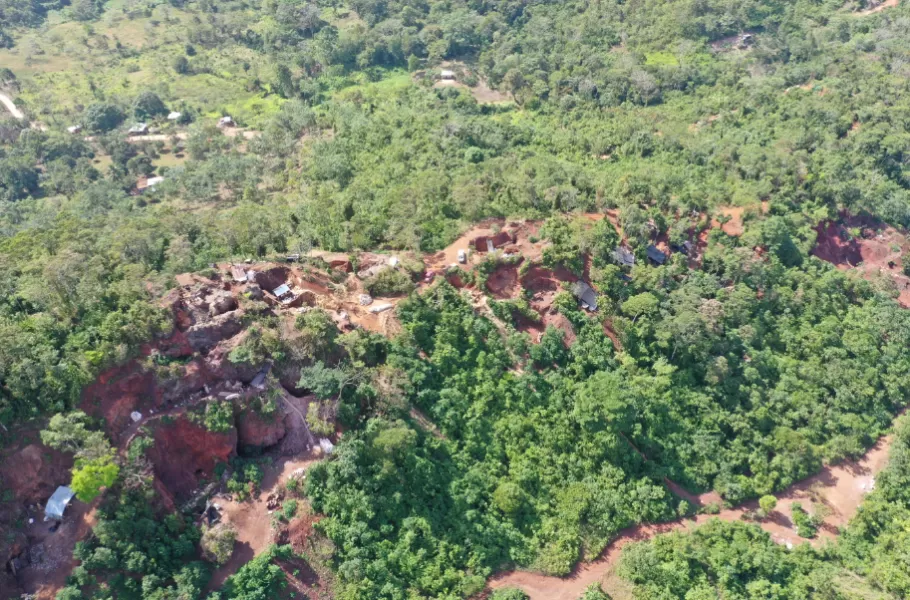
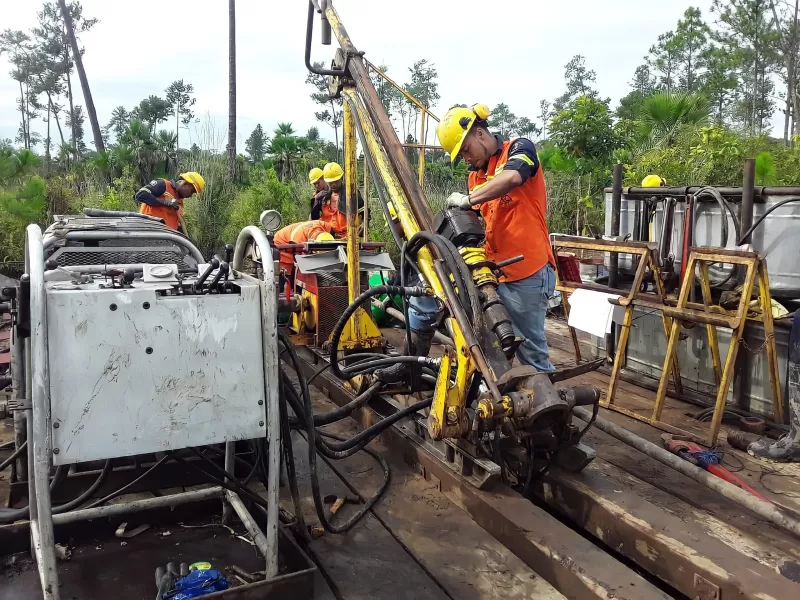
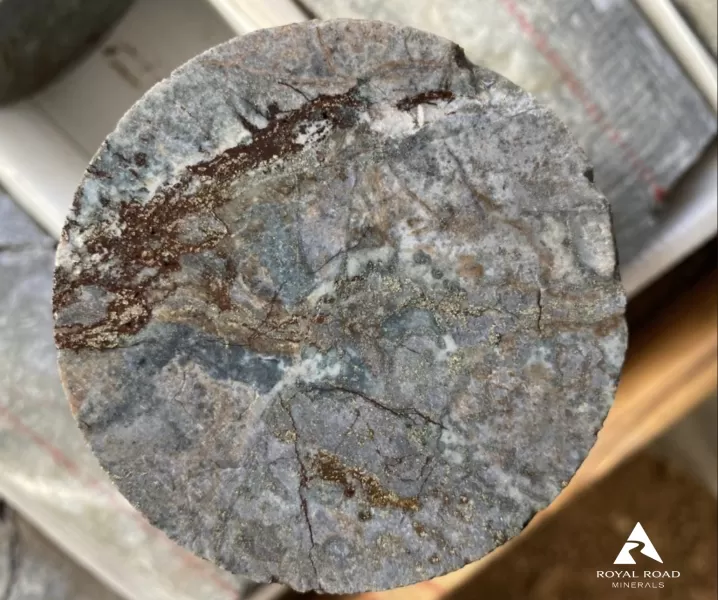
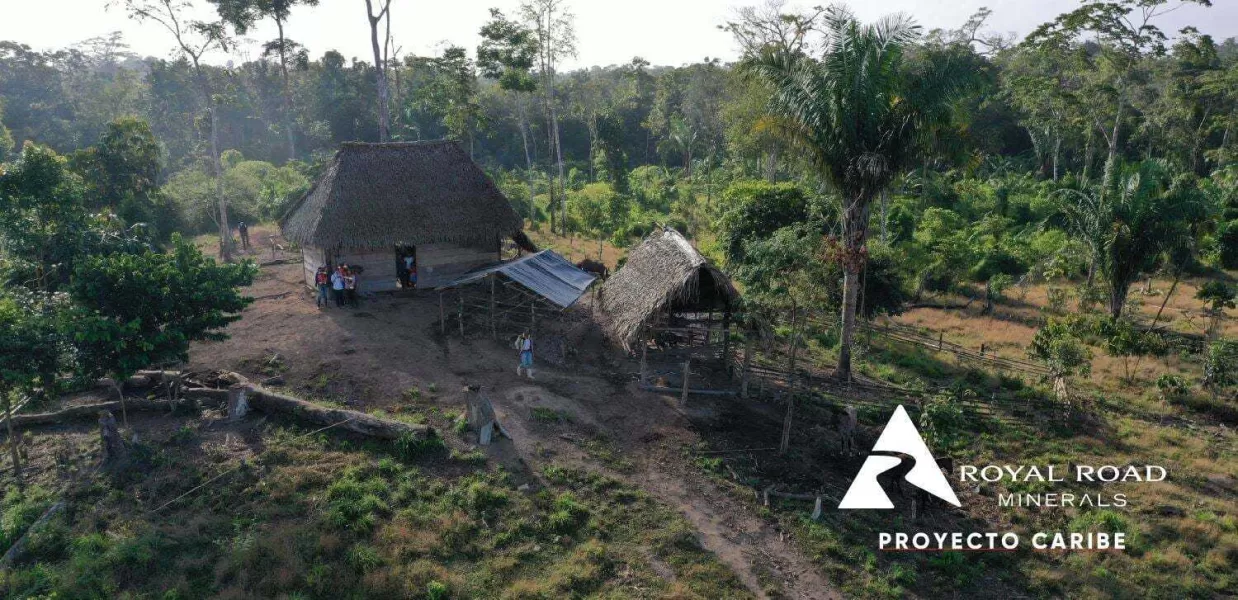
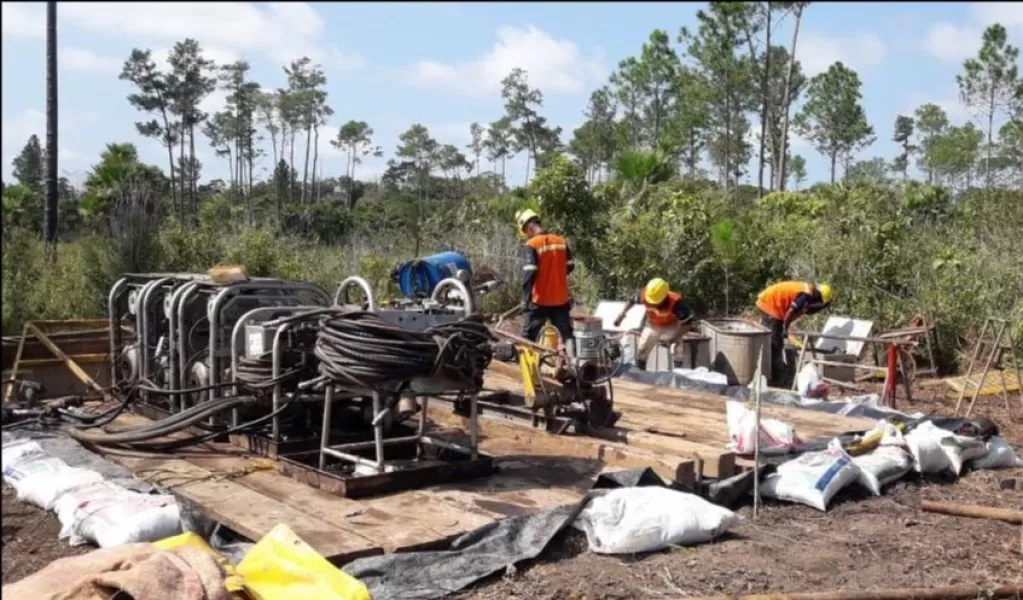
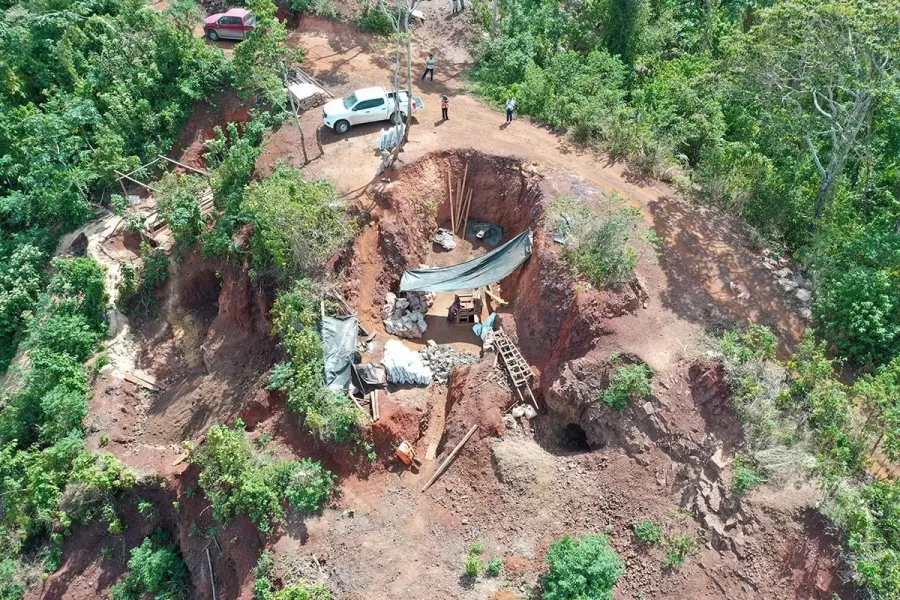
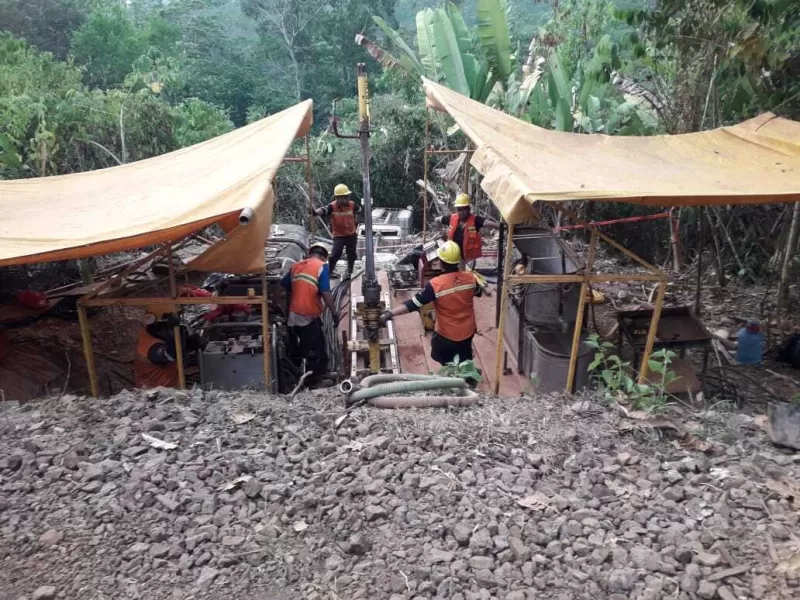
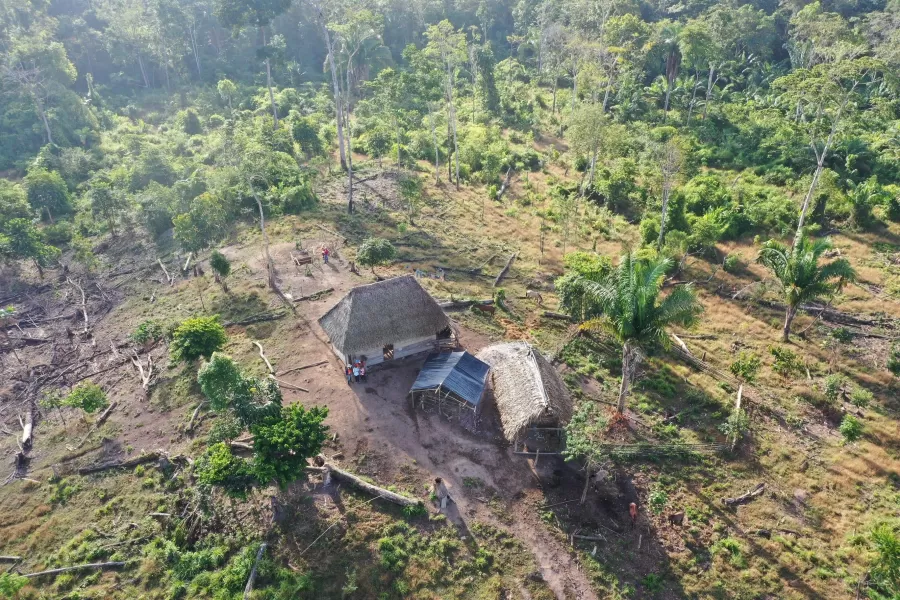
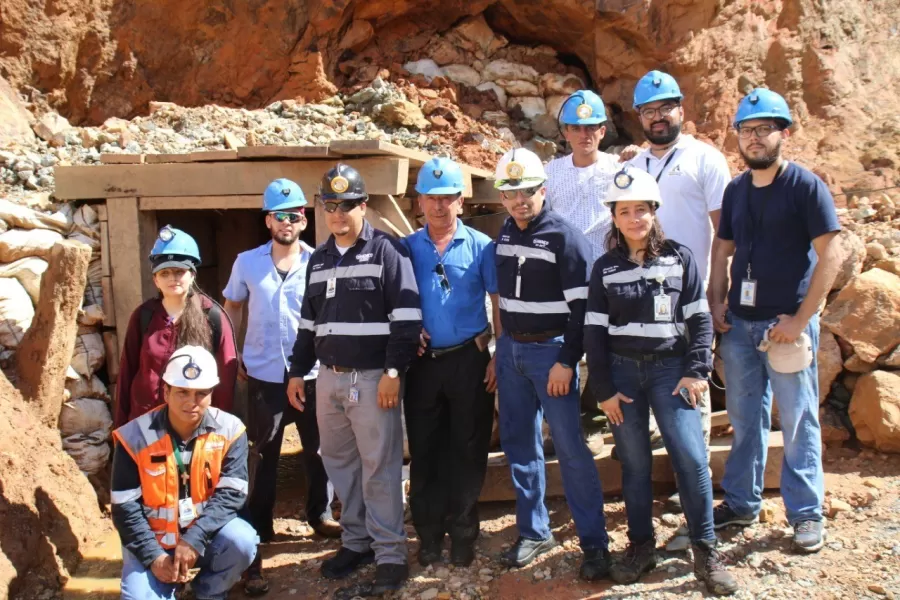
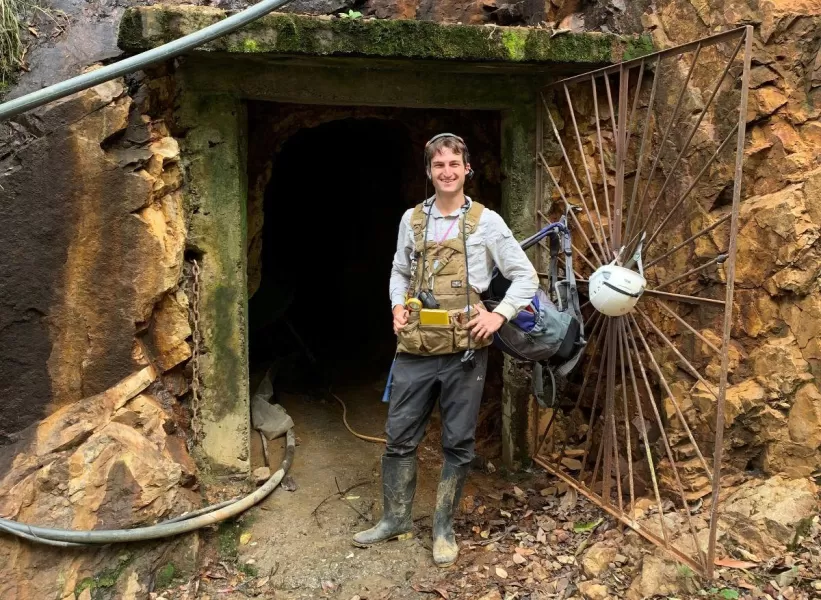
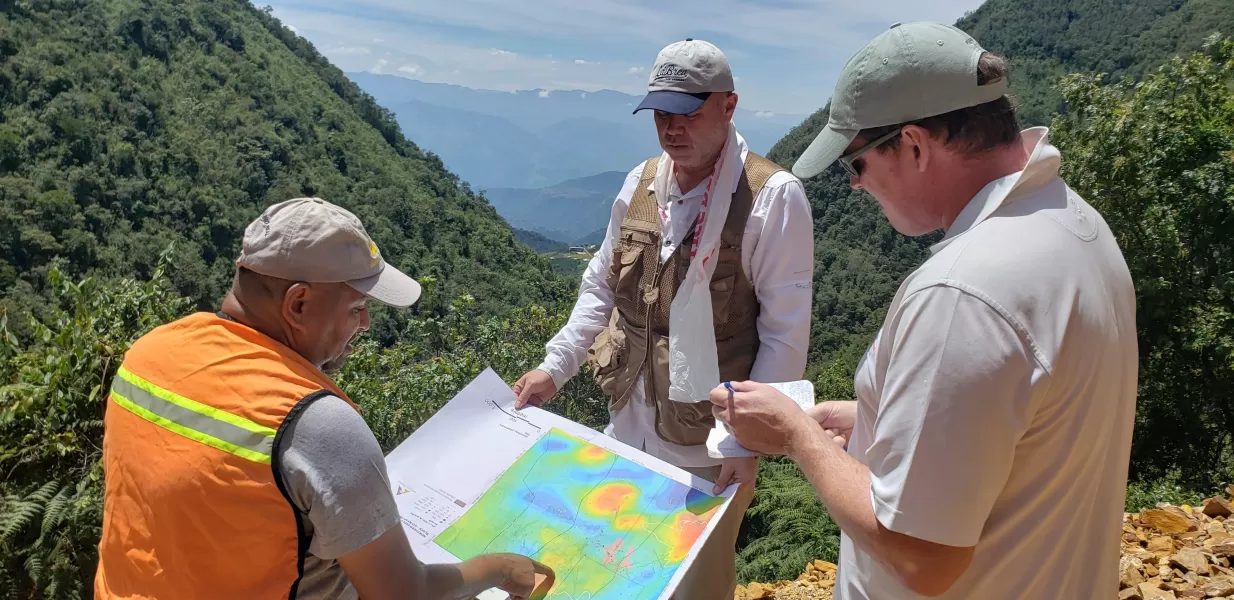
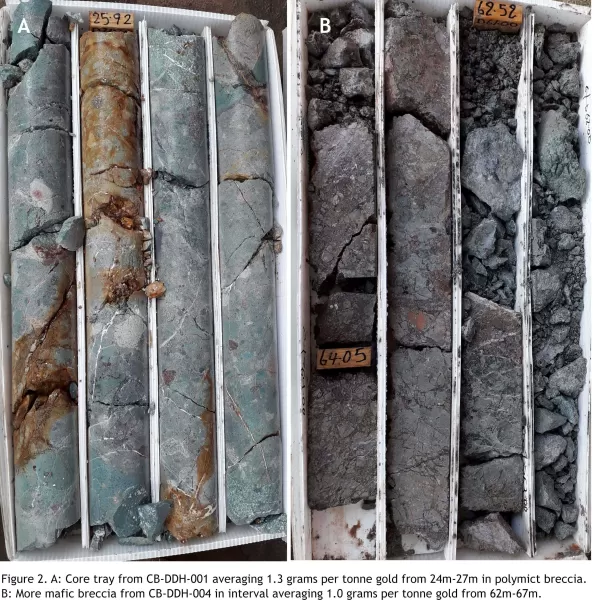
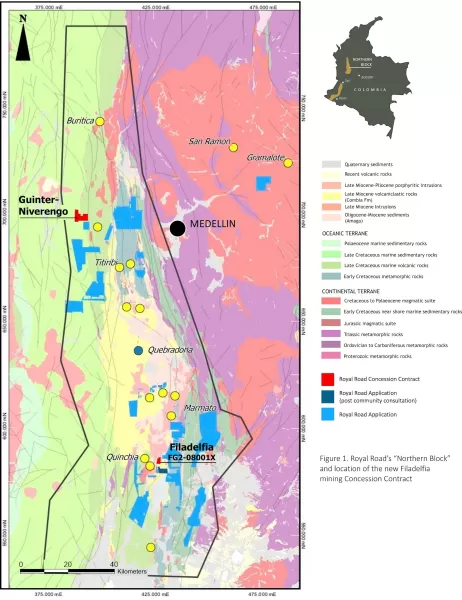
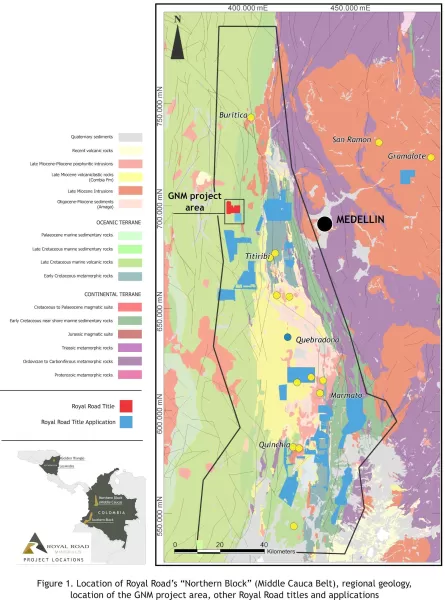
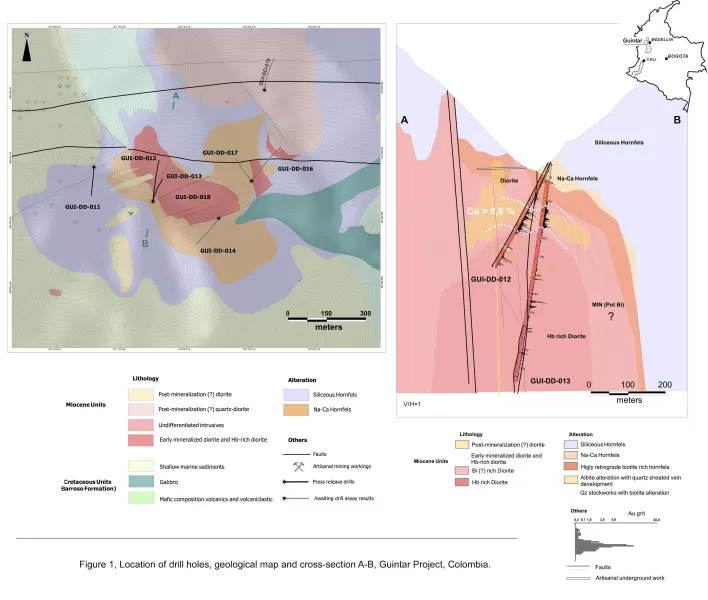
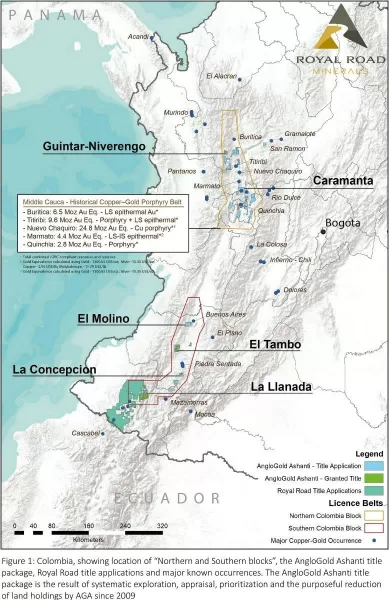
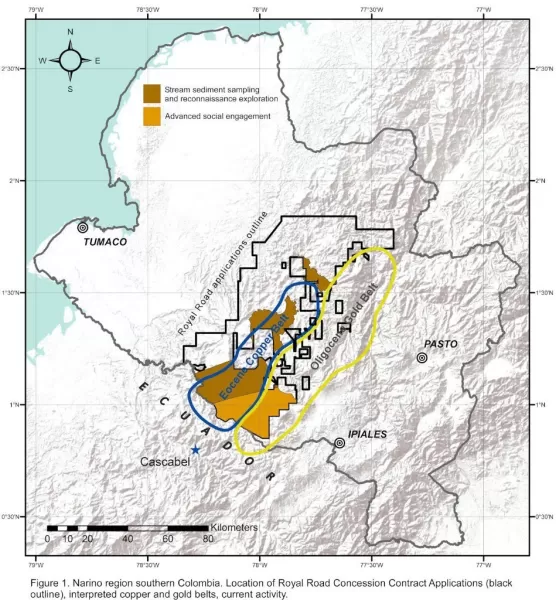
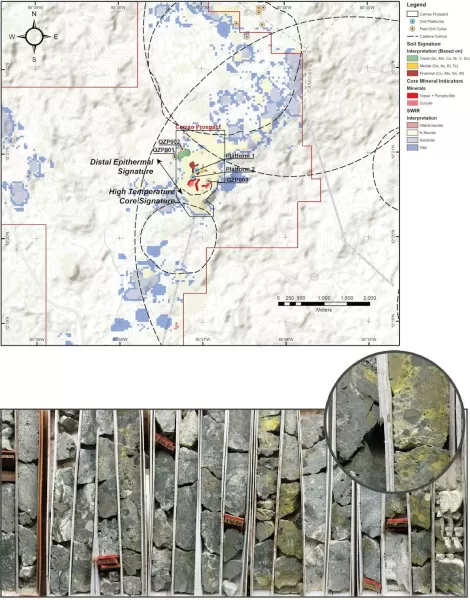
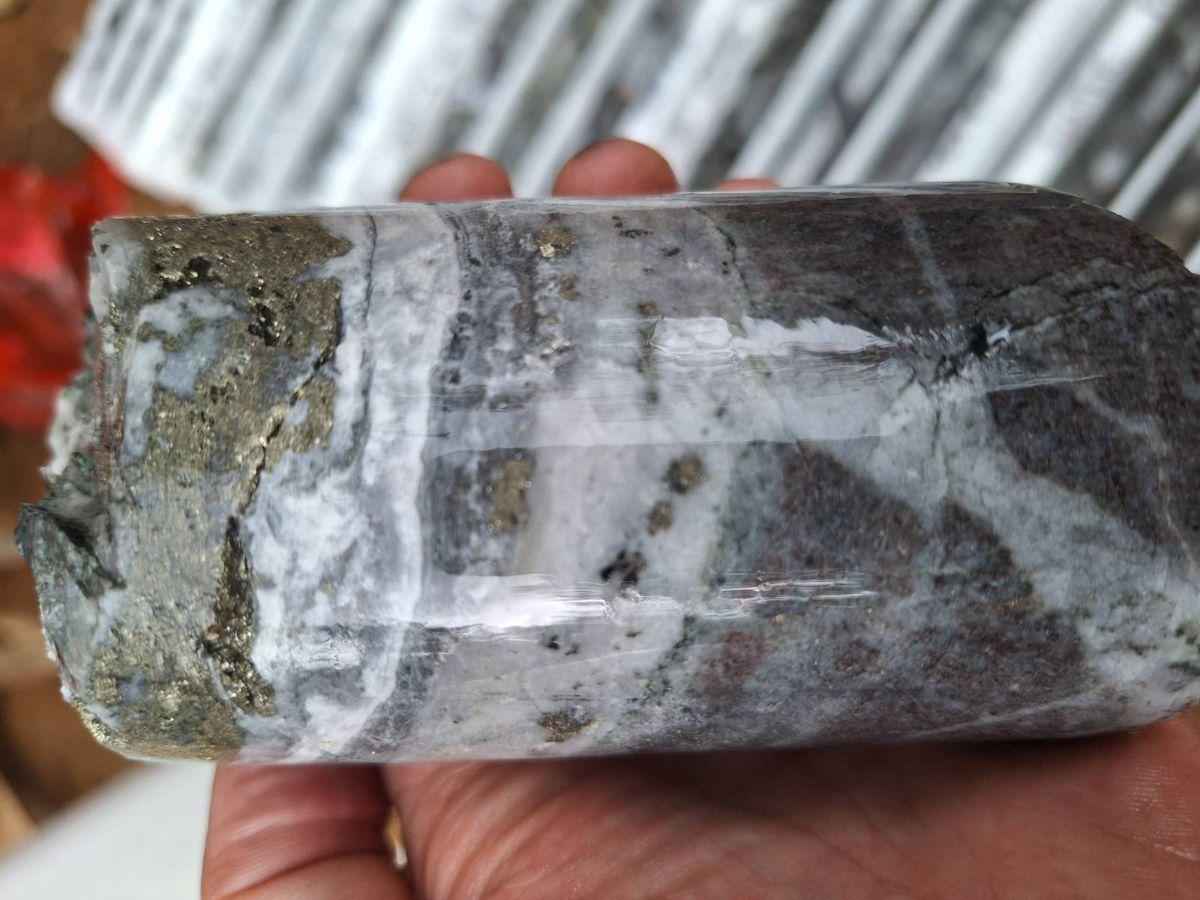
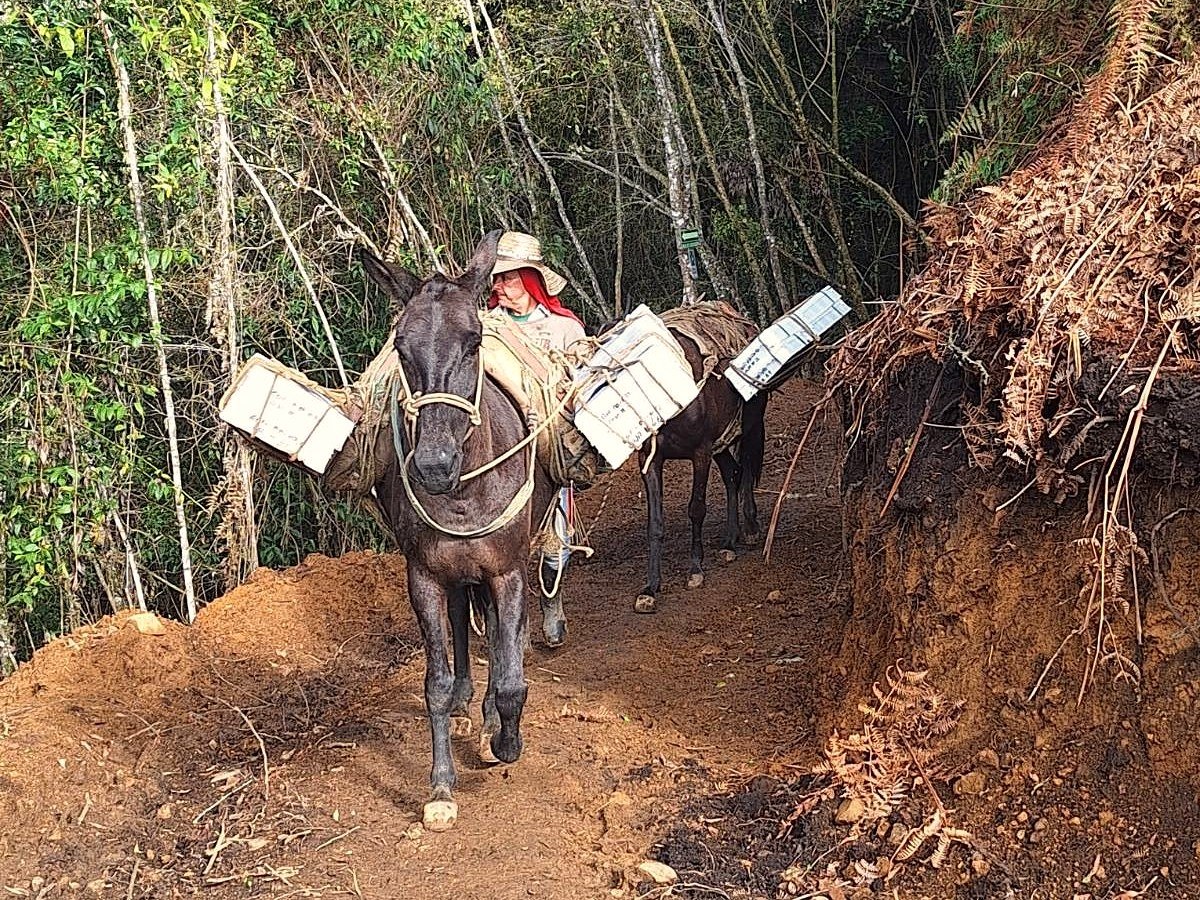
The drilling program at the Guintar and recently granted Chuscalita titles is nearing completion. Results are coming in and preparations are underway to move the rig to the previously undrilled Margaritas target, located roughly four kilometres to the south within the broader GAM district. Recent drilling, new drone-borne magnetic surveys and freshly cut access tracks have provided additional geological information that is helping the team refine its interpretation at Guintar. The observations to date are encouraging and we look forward to reporting results as they become available.
Next in Colombia
Saudi Arabia
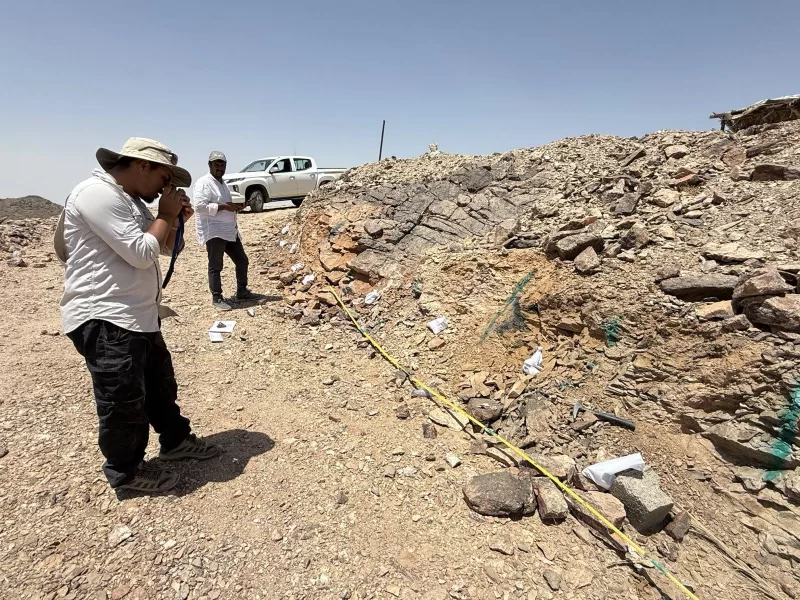
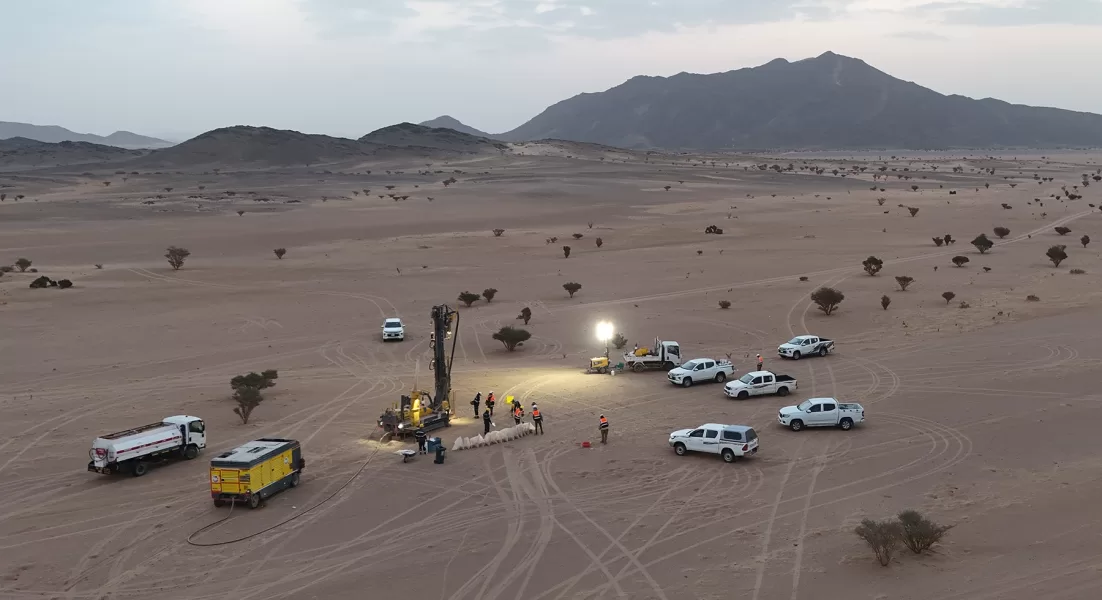
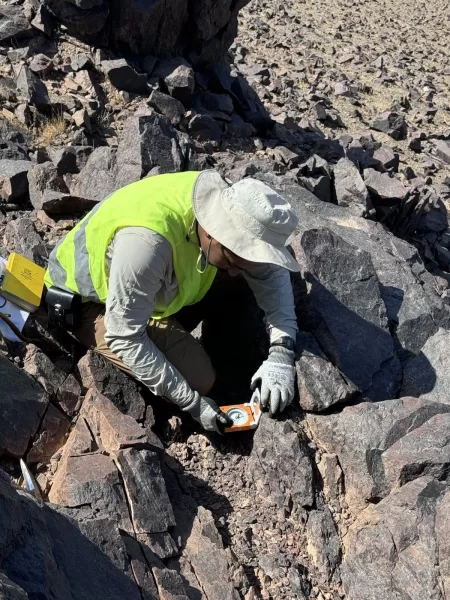
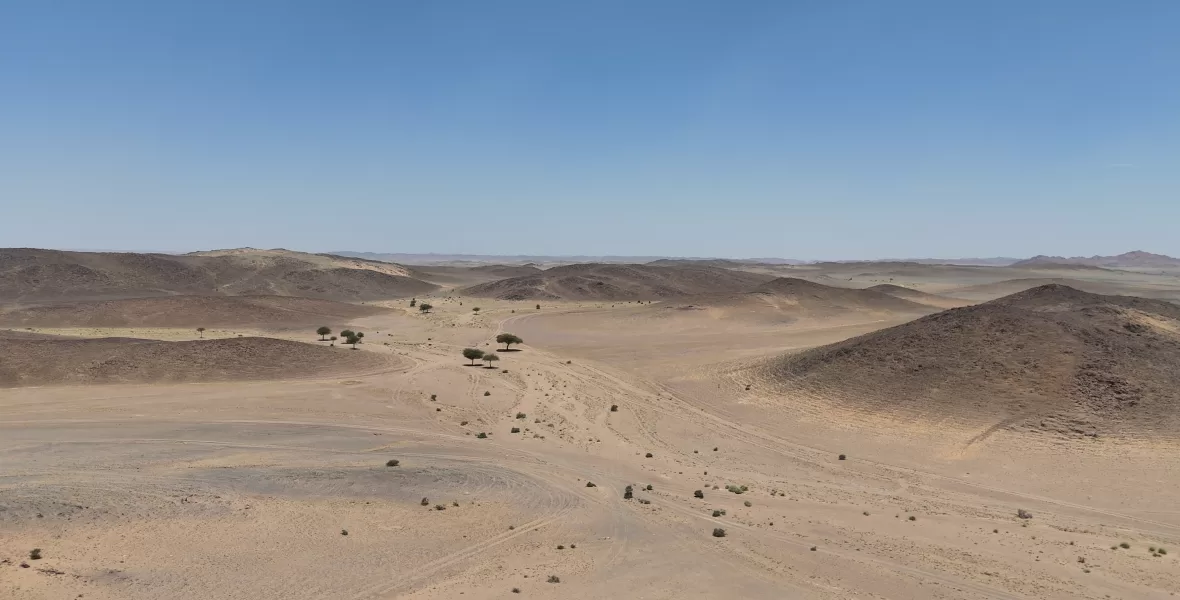
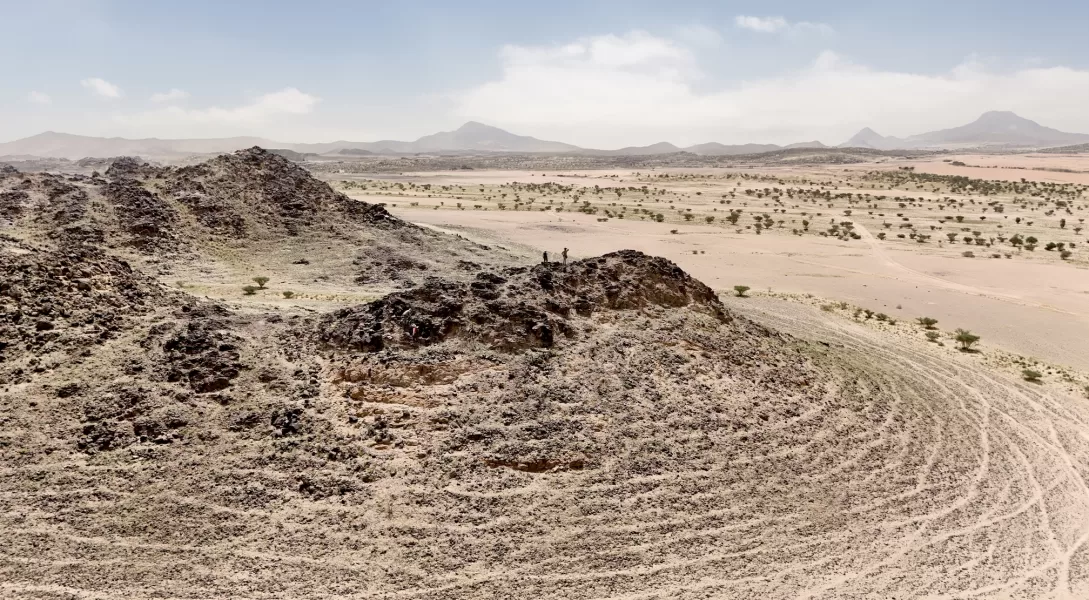
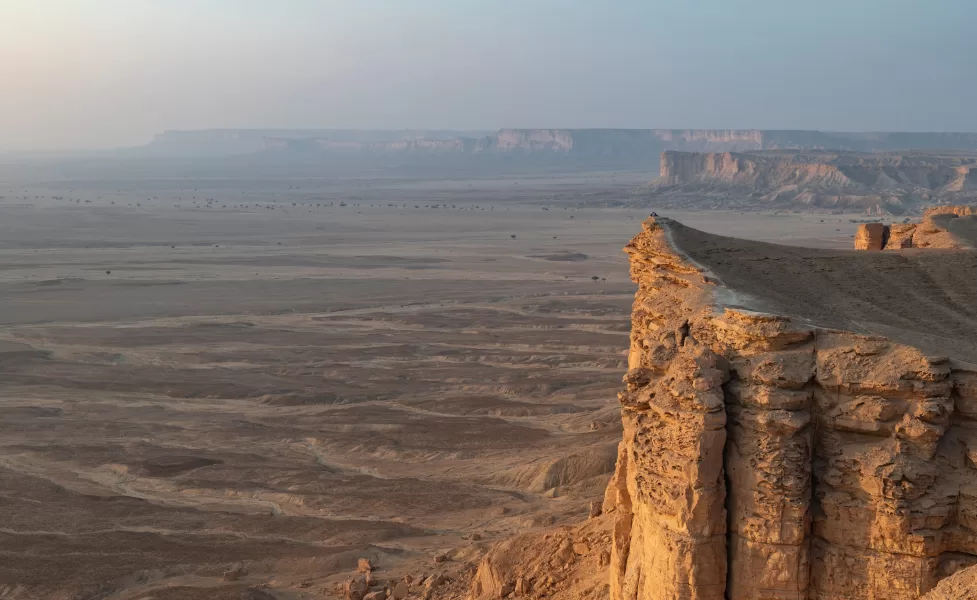
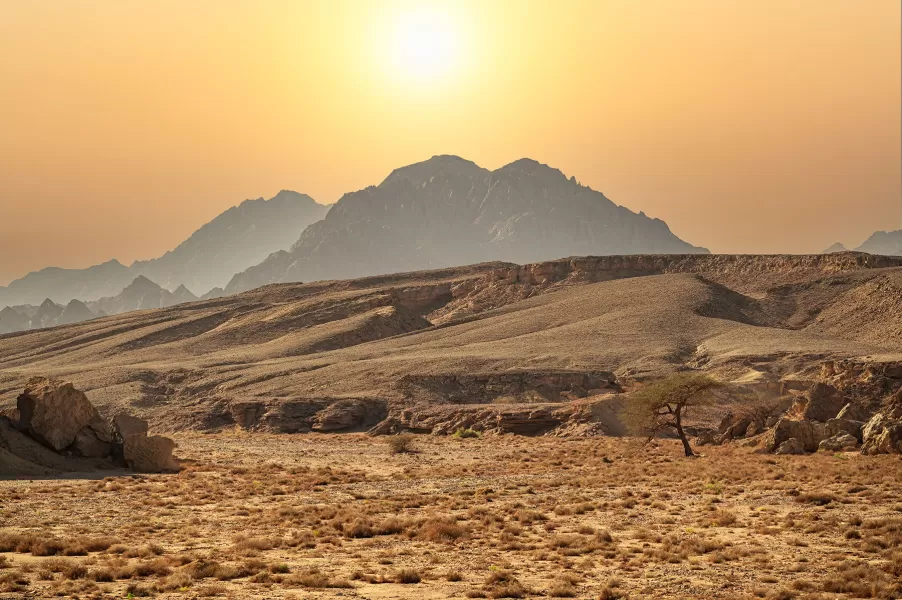
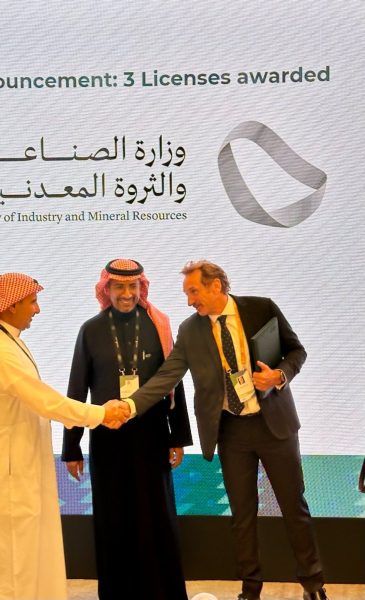
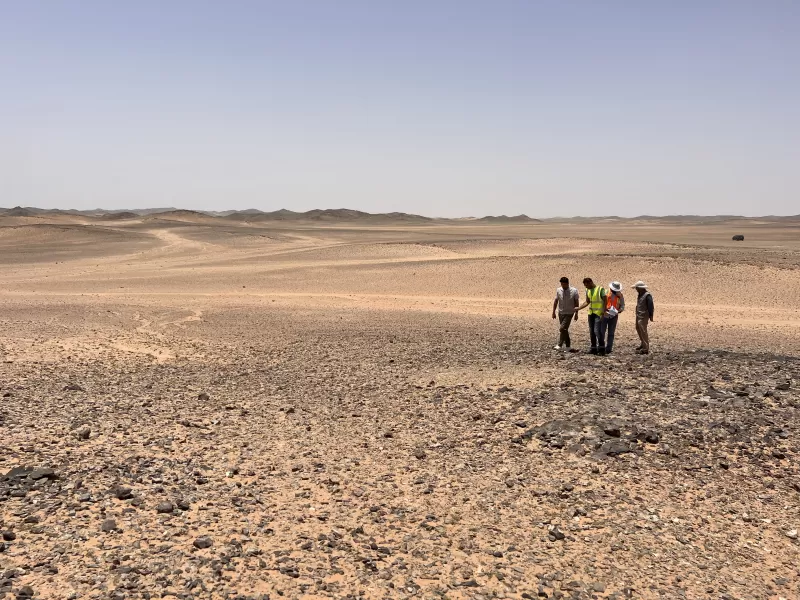
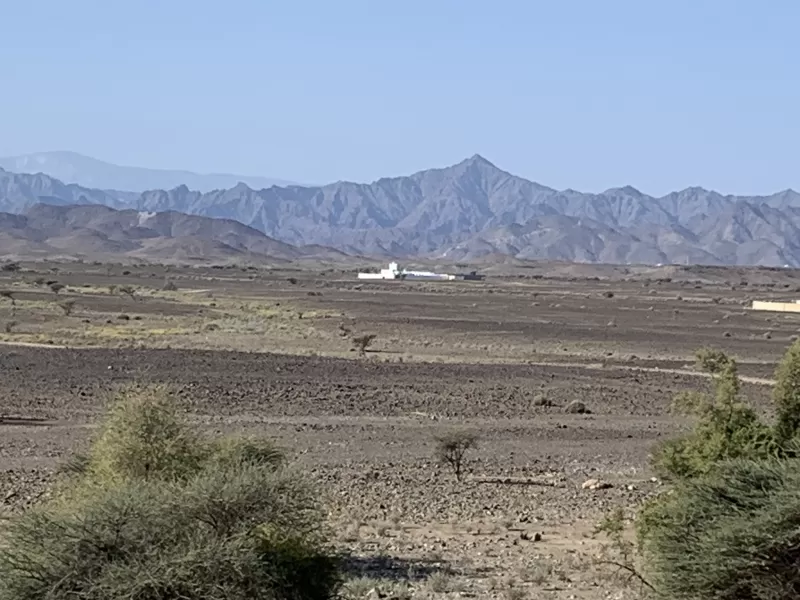
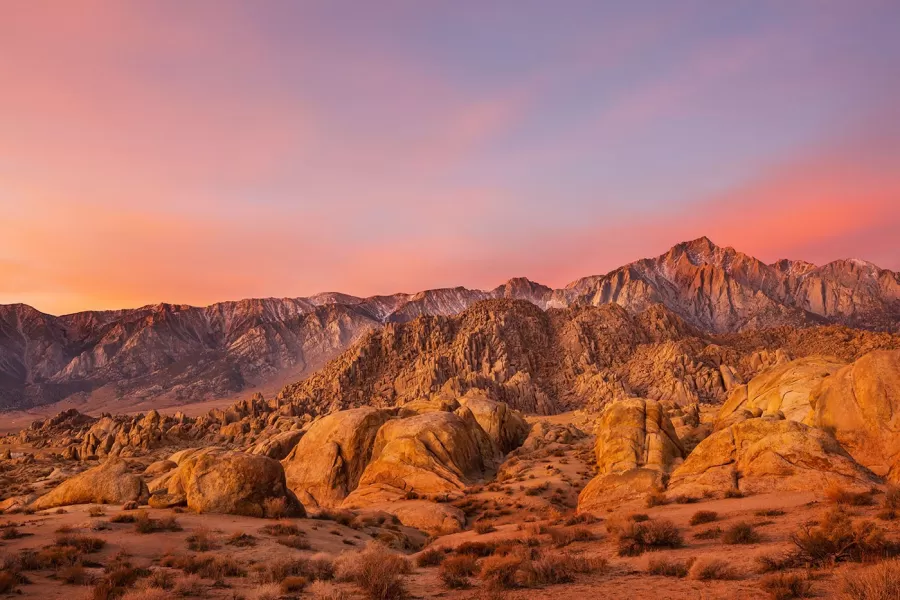
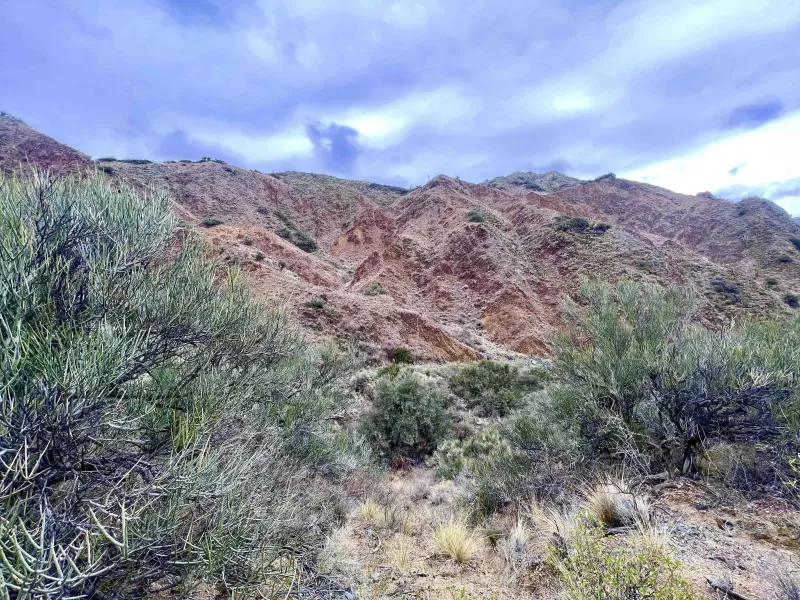
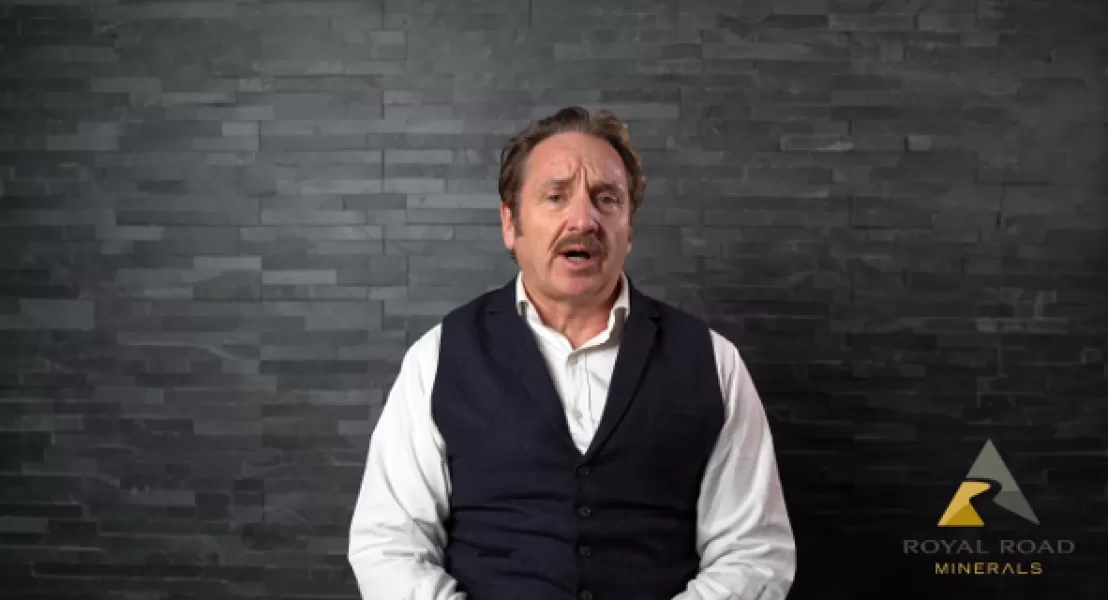
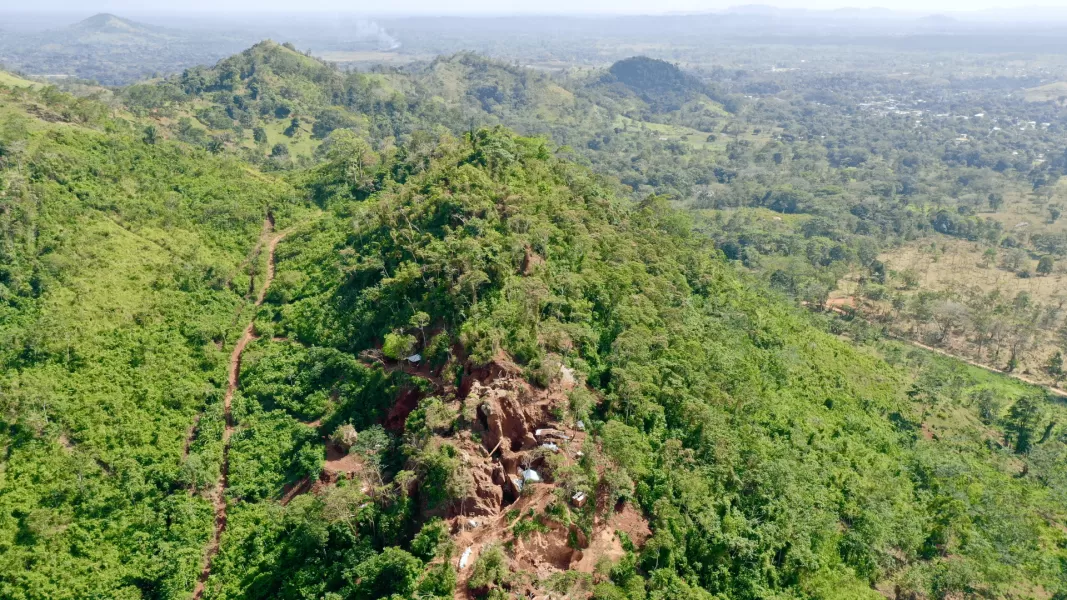
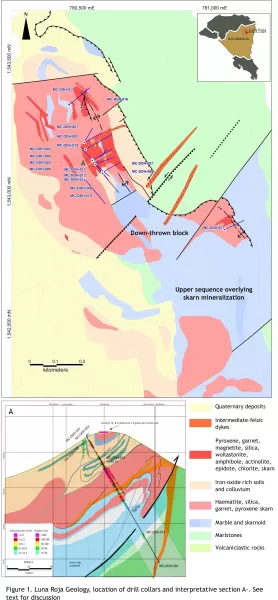
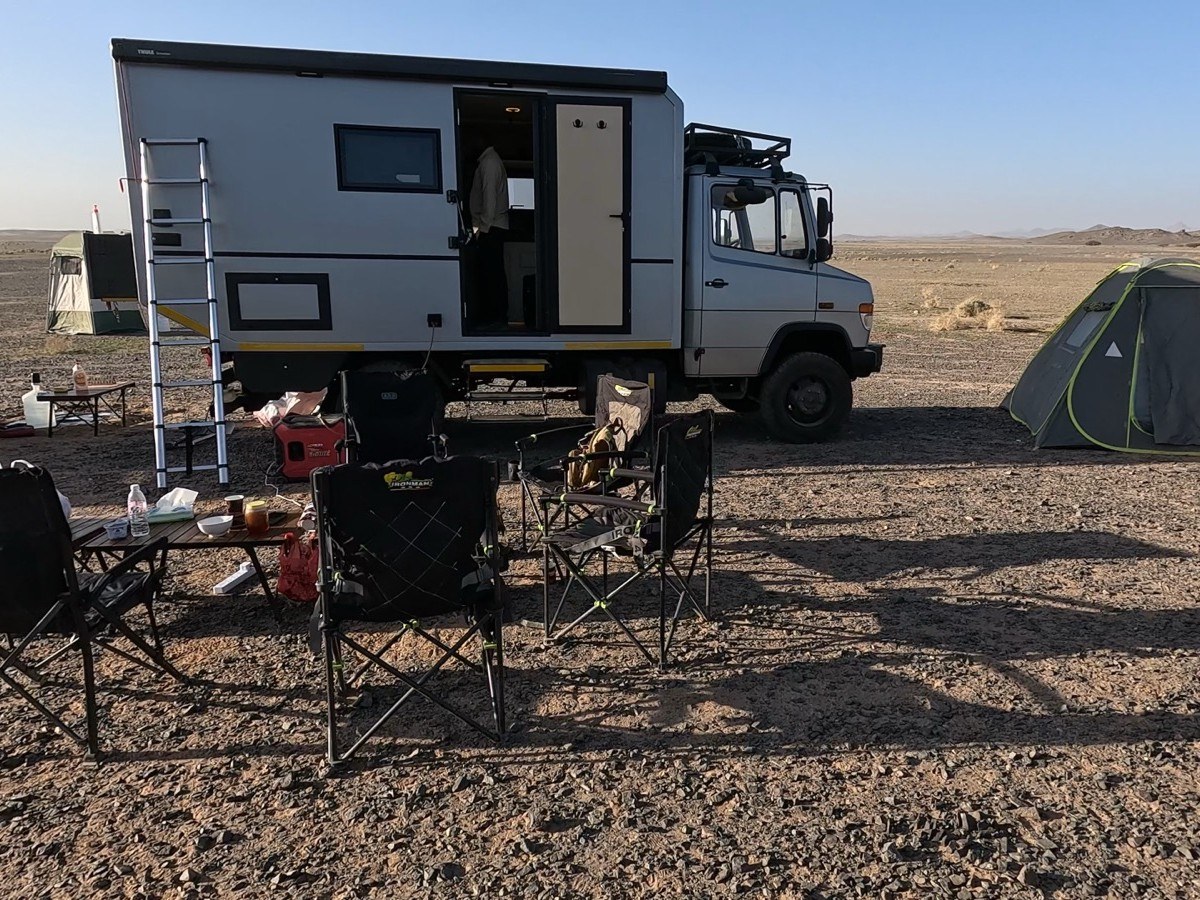
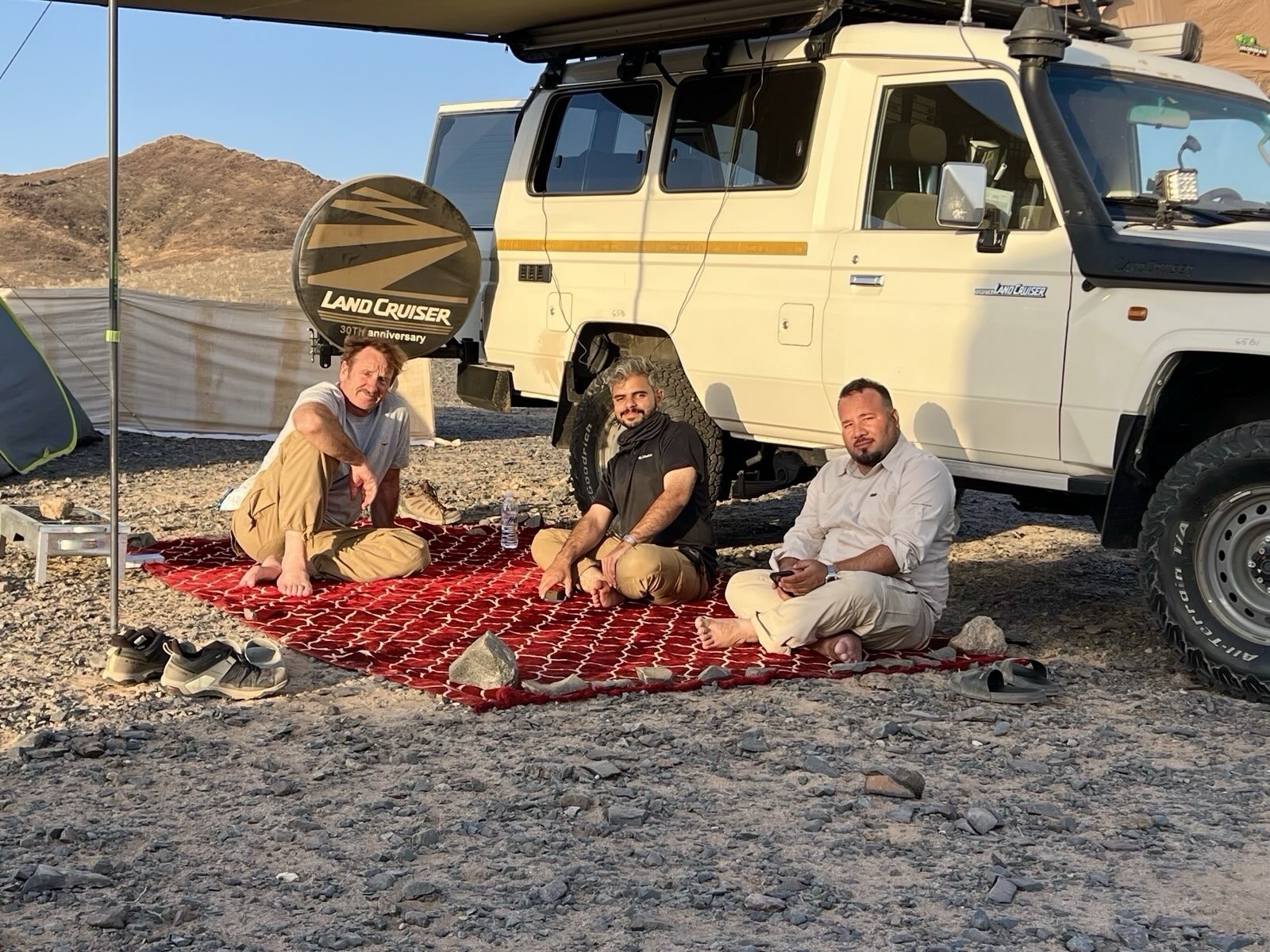
Drilling results from Jabal Sahabiyah are in, the Company is receiving JV-interest on zinc-skarn style mineralization and considering options on identified gold mineralization at Ash Shajah and Wadi Raiel. The team completed a highly productive and encouraging target generation workshop in Jeddah. Reconnaissance exploration on new licenses and on new targets is continuing (see the VLOG below).
Next in Saudi Arabia
Morocco
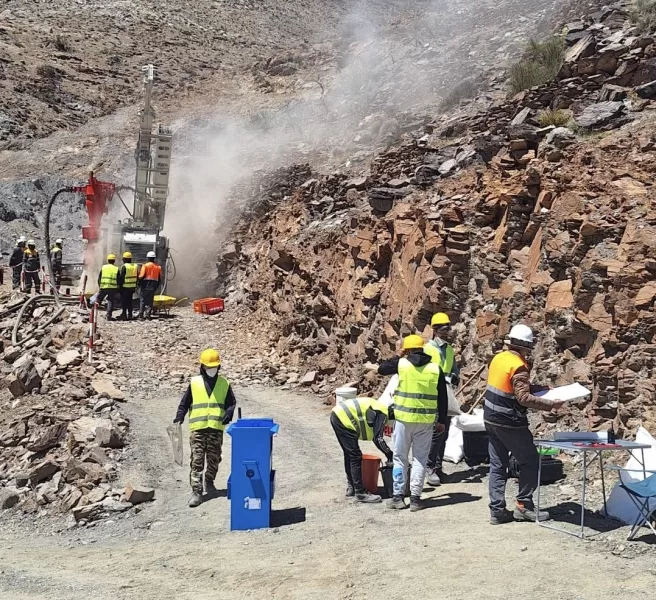
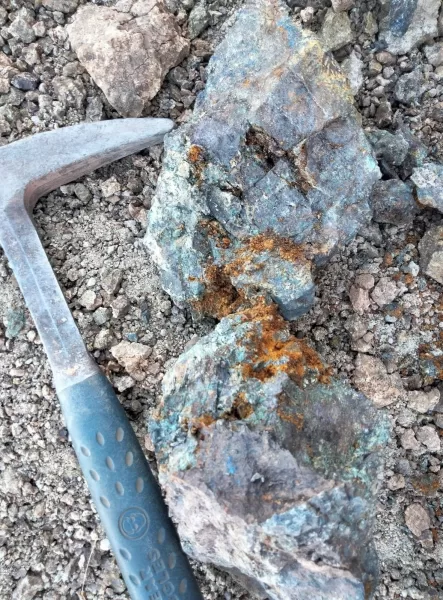
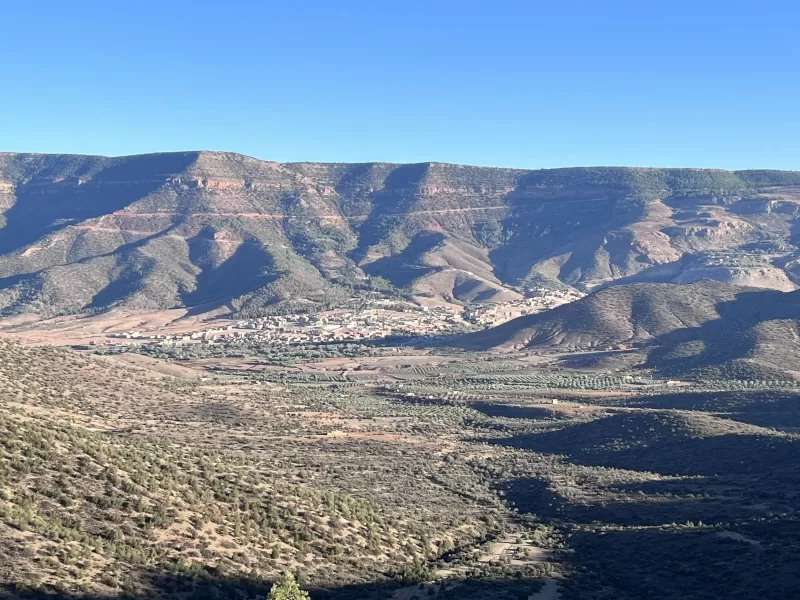
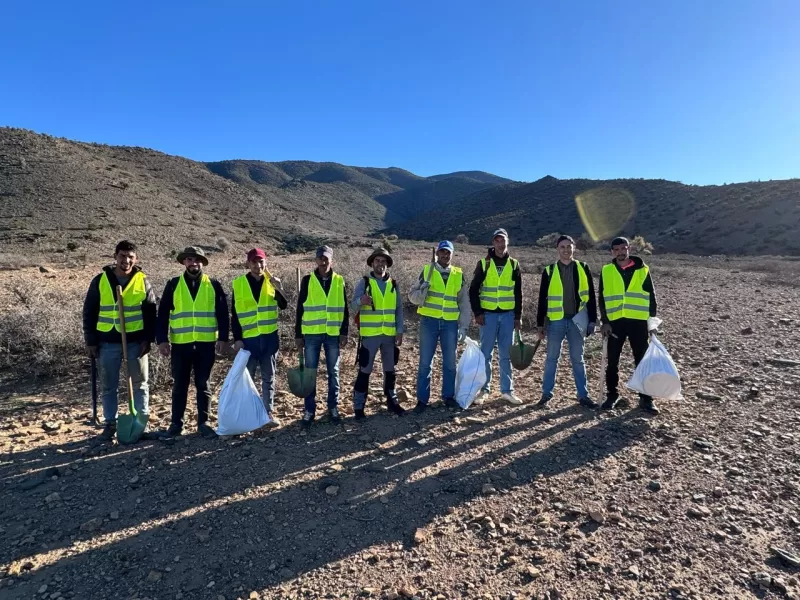
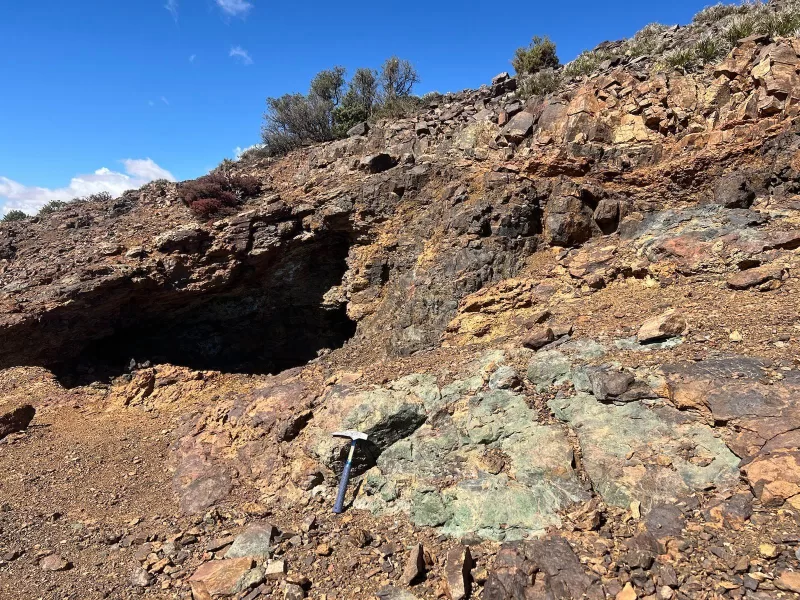
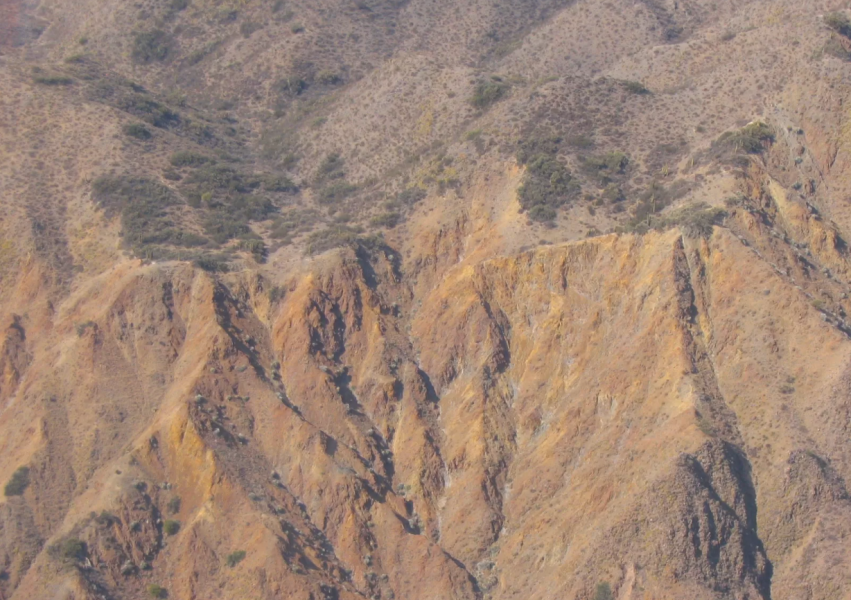
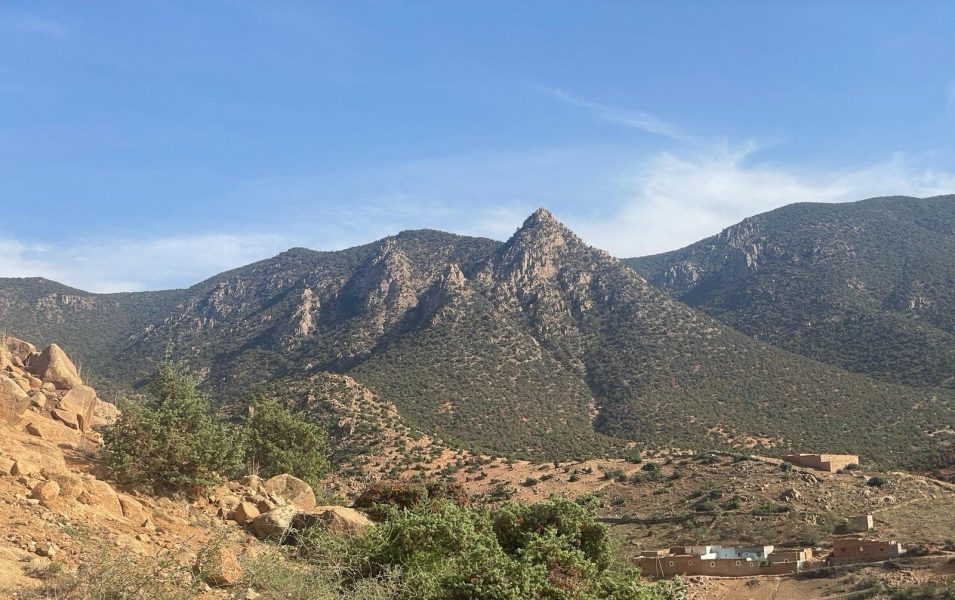
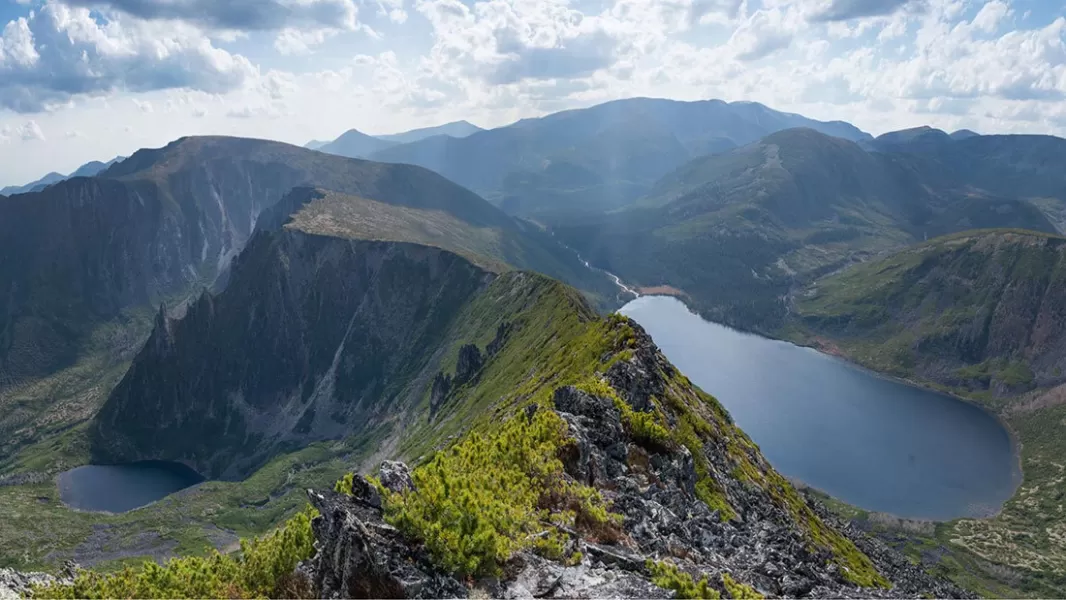
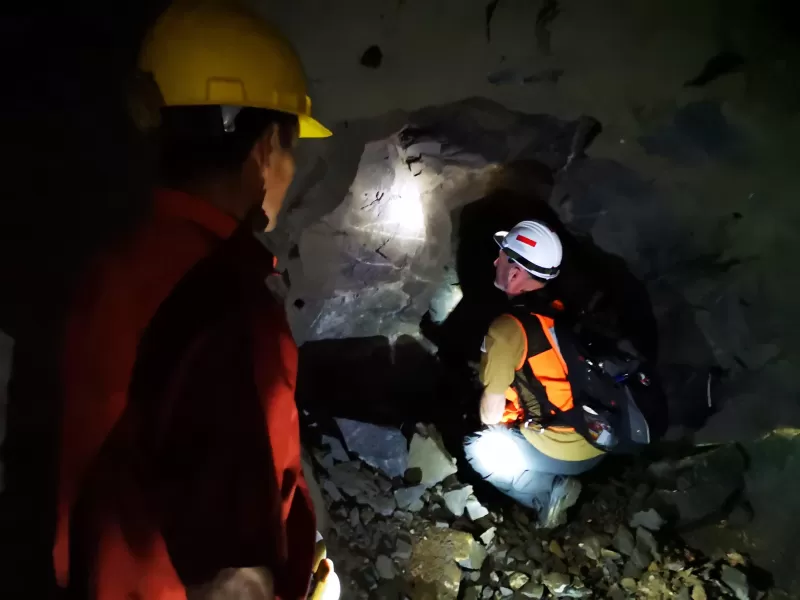
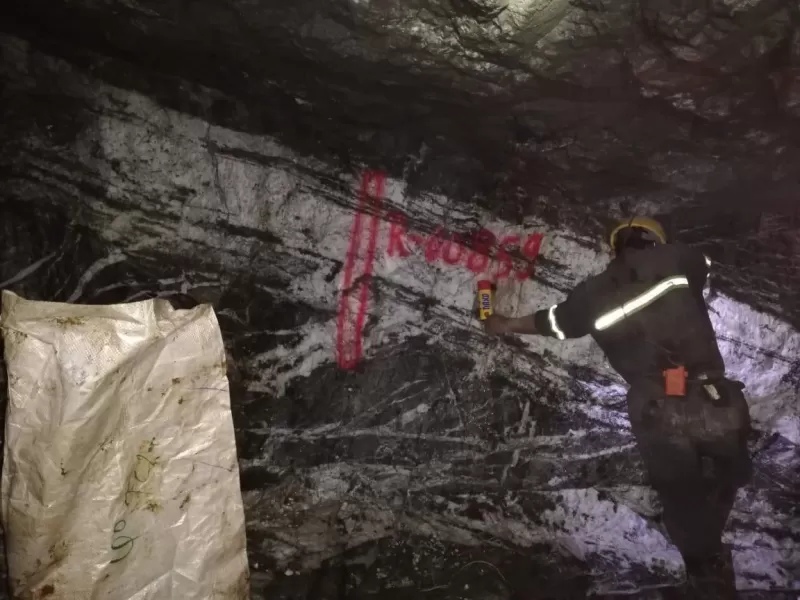
The team completed mapping and sampling of new underground development and district scale geological mapping on neighboring properties at Lalla Aziza. Discussions with interested third parties are advancing and work on the transfer of the Lalla Aziza copper mining license to Royal Road’s wholly owned Moroccan subsidiary, Mineraux Chemin Réel continues.
Next in Morocco
| Check out our YouTube channel and catch up on previous episodes here if you haven’t already! |
Thank you for your continued support and trust in our vision. We look forward to sharing more videos and updates with you in the coming months.
Respectfully Yours,
Royal Road Minerals
In Colombia Royal Road Minerals operates through its wholly-owned Colombian companies Minerales Camino Real SAS founded in 2015 and Exploraciones Northern Colombia SAS acquired from previous owners in 2019. In Saudi Arabia Royal Road Minerals operates through its 50% owned Saudi Arabian registered subsidiary, Royal Road Arabia. In Morocco Royal Road Minerals operates through its 100% owned subsidiary Minéraux Chemin Réel SARL AU.
Copyright 2026. Royal Road. All rights reserved