Investor Newsletter: A Walkthrough of Our Colombian Portfolio
Jun 23, 2026
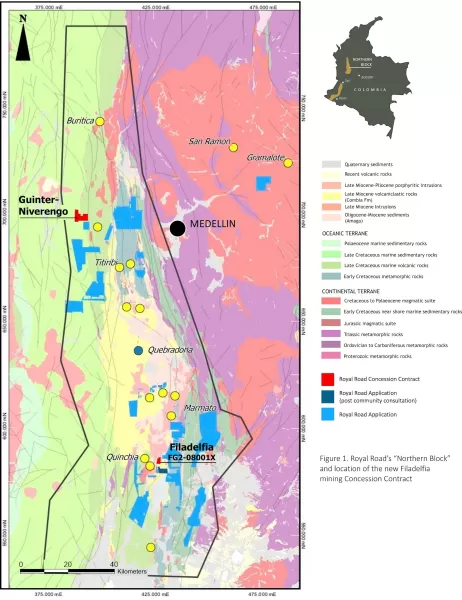
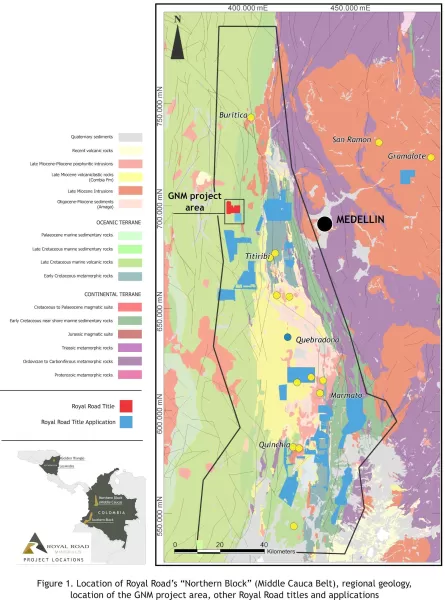
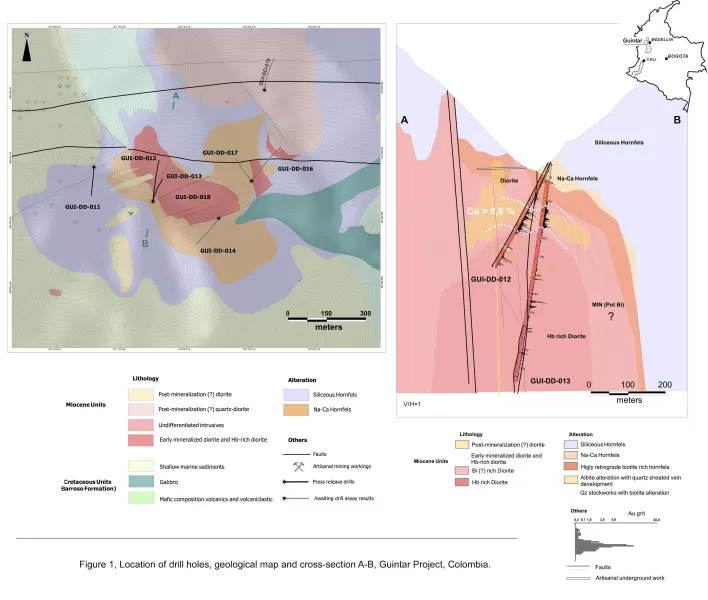
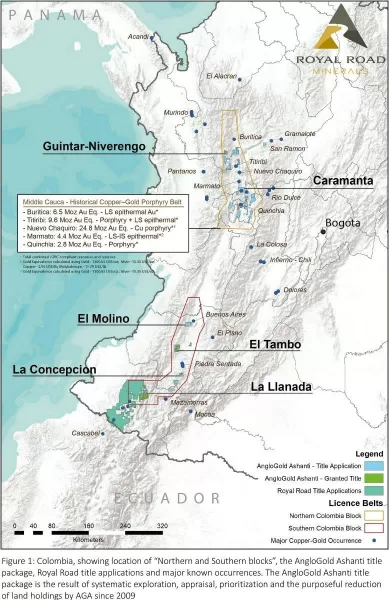
| Dear Investor, Royal Road Minerals' Colombian portfolio provides exposure to a diverse pipeline of porphyry, epithermal and intrusion-related gold systems across one of Latin America's most prospective Andean jurisdictions. Alongside the advanced Güíntar Alemán Margaritas (GAM) gold-copper-silver porphyry cluster, the portfolio includes at least six additional porphyry and epithermal targets, plus two district-scale intrusion-related gold systems, spanning advanced drill-tested assets, drill-ready targets and early-stage exploration opportunities. The Company's land package comprises 16 granted Mining Concession Contracts and 85 Mining Concession Applications covering more than 1,840 km² (see Figure 1). The portfolio is divided into two principal regions: the Northern Block, which hosts the GAM project within the gold and copper rich Middle Cauca Belt of Antioquia and Caldas, and the Southern Block, which spans Cauca and Nariño and provides exposure to multiple underexplored metallogenic belts prospective for porphyry, epithermal and intrusion-related gold systems. 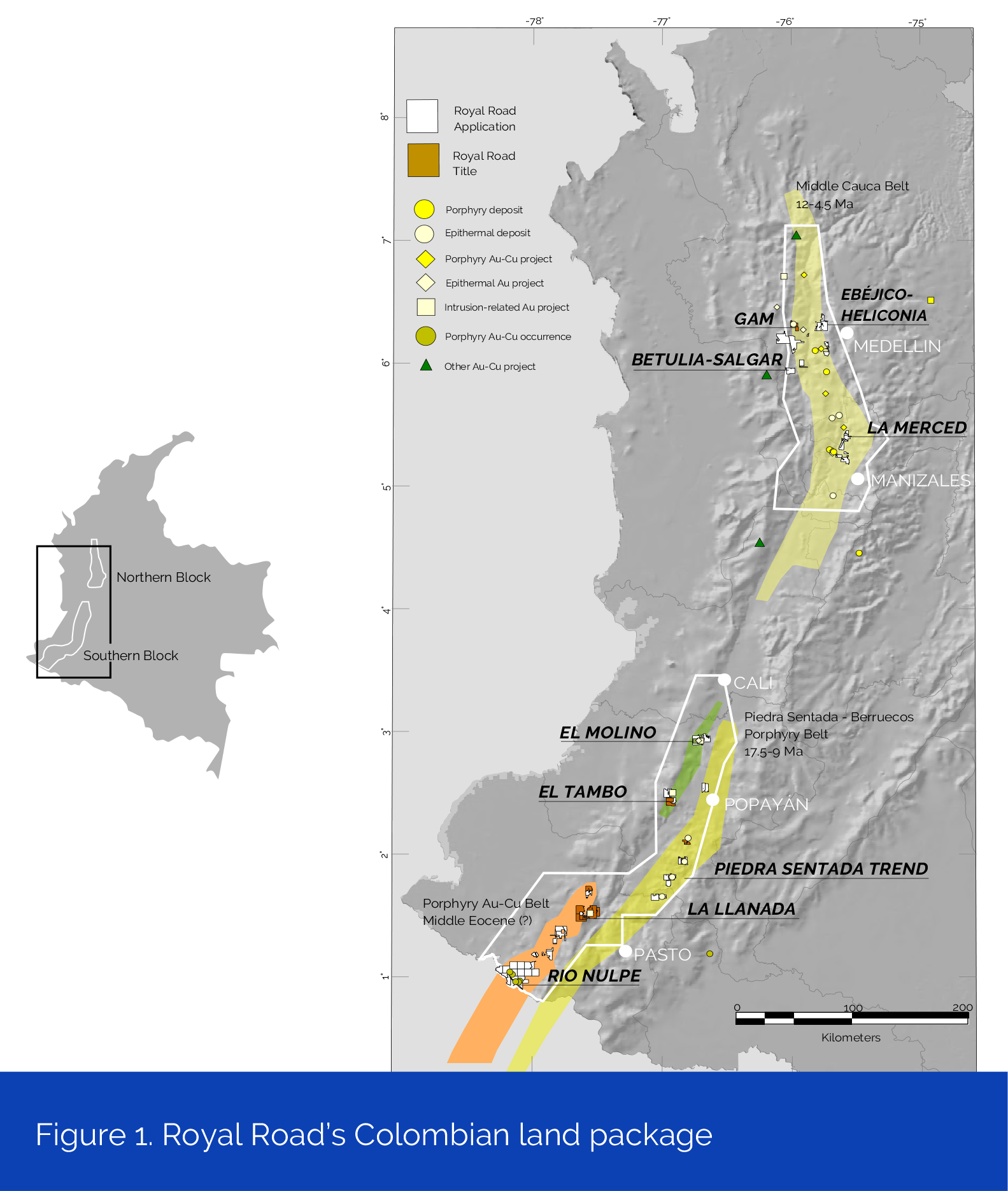 |
A Curated Portfolio
Royal Road acquired part of its Colombian portfolio through the acquisition of Exploraciones Northern Colombia (“ENC”), an affiliate of AngloGold Ashanti (“AGA”) (see Press Release May 31, 2019). Prior to the transaction, approximately US$34 million had been invested in regional exploration across the portfolio, including systematic geological, geochemical and geophysical programs designed to generate, evaluate and prioritize exploration opportunities.
Northern Block
The Northern Block comprises approximately 559 km² of title and application areas situated in Antioquia and Caldas. This region lies within the Middle Cauca Belt, a highly endowed metallogenic province that hosts several major gold and copper-gold systems, including Quebradona, Buriticá, Marmato and Titiribí.
The Betulia–Salgar District
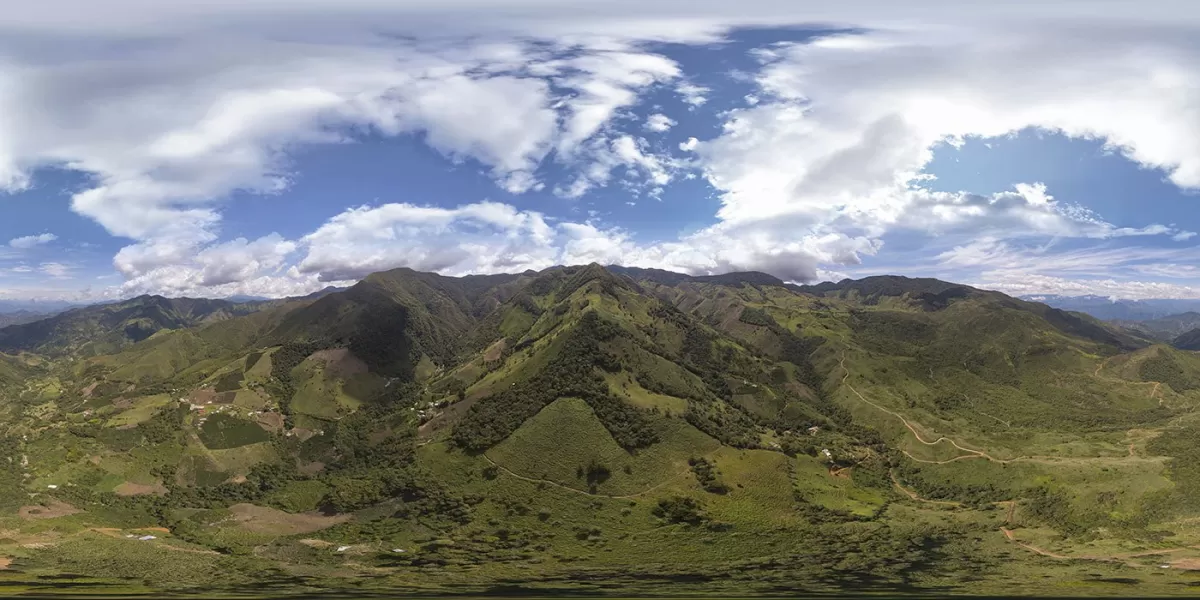
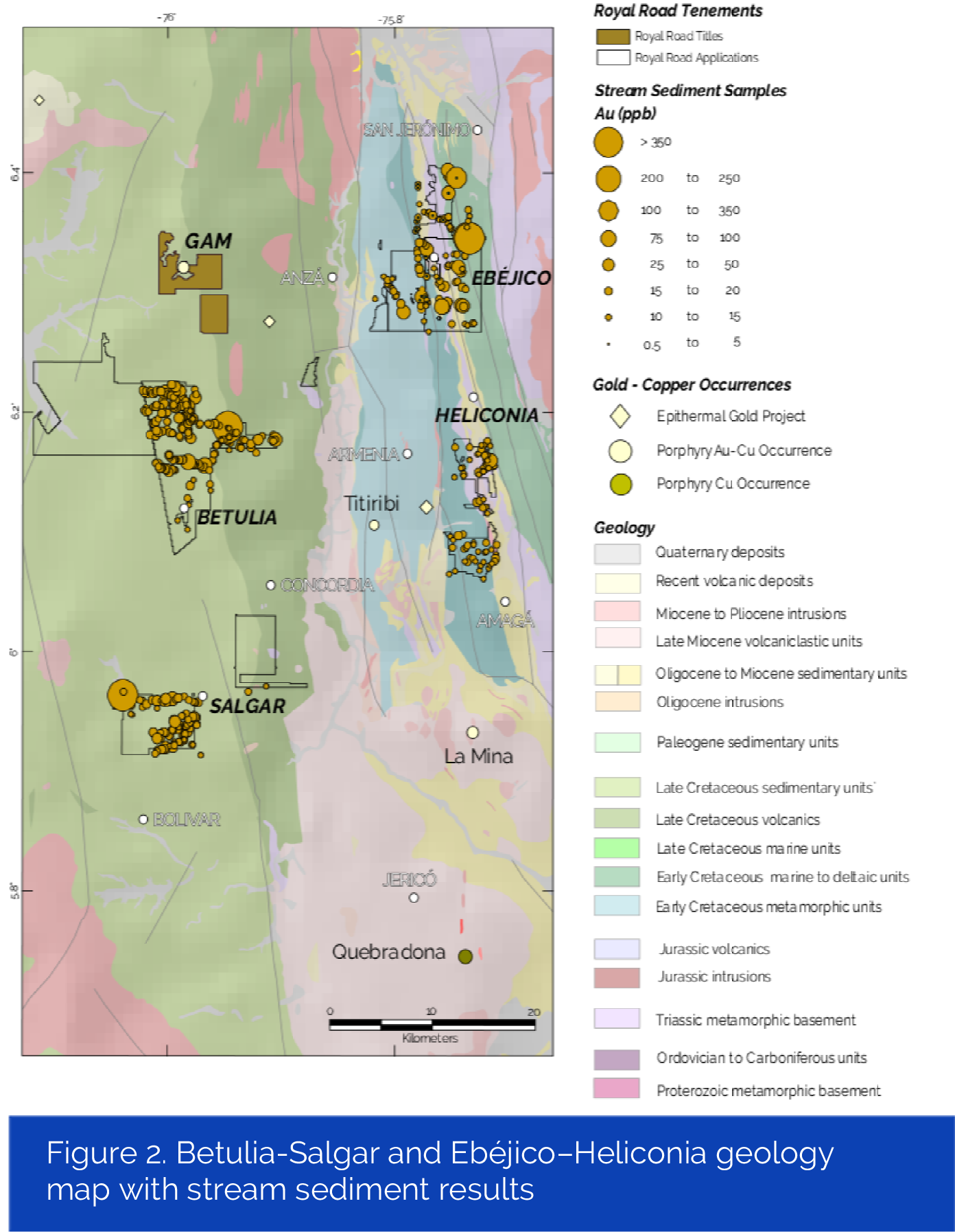
The Betulia–Salgar District (see Figure 2) has returned highly anomalous stream sediment values of up to 1,846 ppb gold. Together with widespread hydrothermal alteration and evidence of porphyritic intrusions, these results point to a porphyry mineralization system with similar characteristics to the GAM project.
Ebéjico–Heliconia District
The Ebéjico–Heliconia District represents an early-stage exploration target near the Titiribí porphyry deposit. The license area shows strong porphyry and epithermal hydrothermal alteration, and contains elevated stream sediment and rock-chip samples returning up to 1.335 ppb gold and 2.1% copper.
La Merced
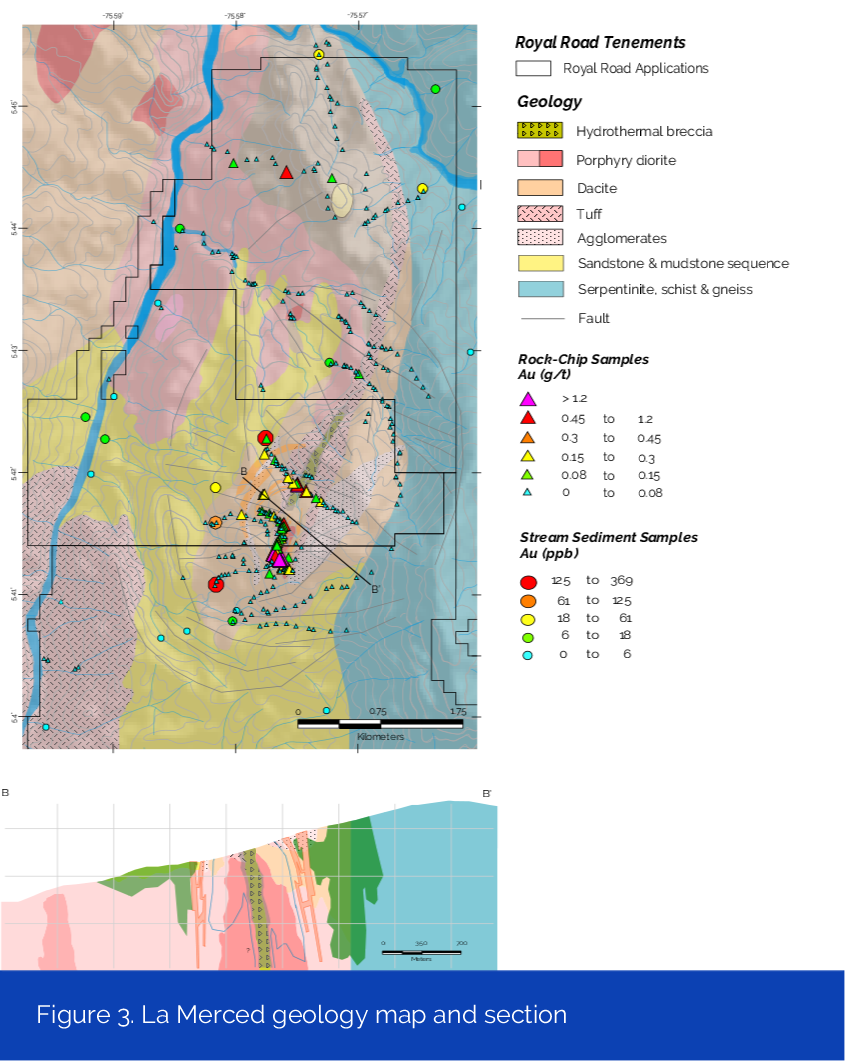
The La Merced gold-silver porphyry target is located approximately 90 km south of Medellín, near the Marmato and Quinchia porphyry deposits. Geological mapping has defined a 400 by 900 meter alteration system associated with porphyry intrusions (see Figure 3). Sampling of potassic-altered diorite has returned values of up to 9.6 g/t gold and 146 g/t silver.
Southern Block
The Southern Block comprises 14 titles and 60 applications covering approximately 1,375 km² in Cauca and Nariño. The region represents one of the last highly prospective and underexplored parts of the Colombian Andes and hosts several mineralization styles, including porphyry copper-gold systems, epithermal gold veining and intrusion-related gold systems. Key Southern Block projects include the El Molino porphyry gold project, the El Tambo intrusion-related gold system, the Piedra Sentada porphyry-epithermal trend, the La Llanada Goldfields and the Rio Nulpe porphyry copper-gold project.
El Molino
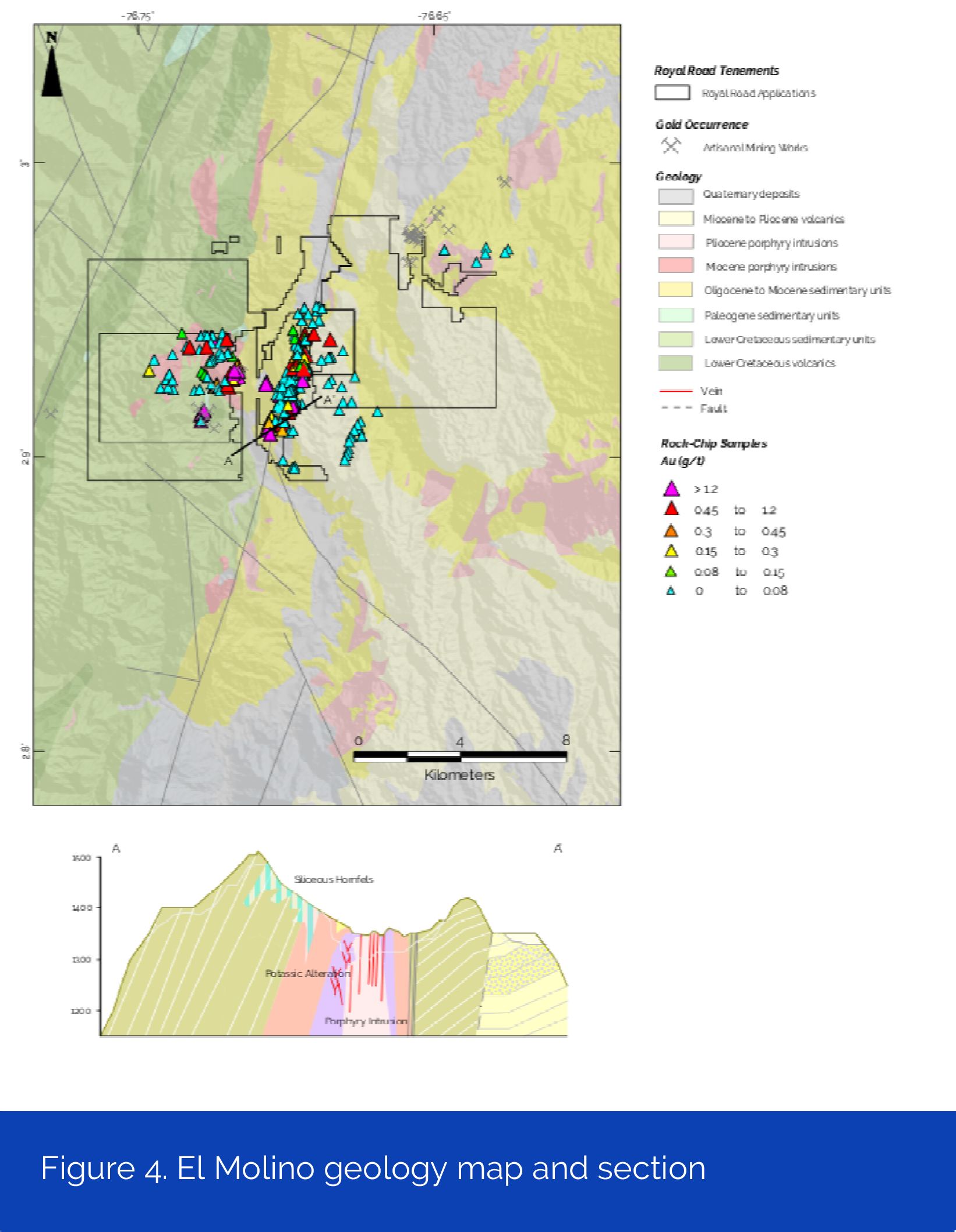
The El Molino gold project is located approximately 60 kilometers southwest of Cali in Cauca Province, near the municipalities of Suárez and Buenos Aires. The application area contains at least three known porphyry gold occurrences (see Figure 4). The porphyry systems are described as having well-developed potassic cores surrounded by sericite-illite alteration zones. Mineralization is associated with sheeted quartz veins and vein stockworks, with rock-chip samples returning values of up to 184 g/t gold from a reported dataset of 493 combined grab and panel samples, with a mean of 2.5 g/t gold.
El Tambo
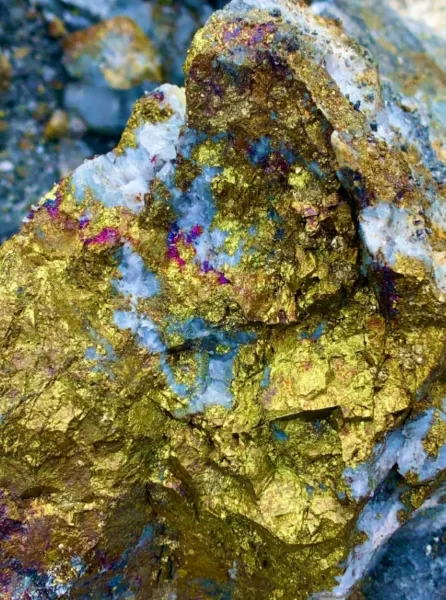
The El Tambo gold project is located approximately 35 km west of Popayán, near the town of Fondas in Cauca. El Tambo mineralization is considered an Intrusion-Related Gold System, in which intrusions of the Jejenes Stock are rich in veins of chalcopyrite, sphalerite, galena, visible gold and molybdenite. Rock-chip sampling has returned values of up to 77 g/t gold, including 11 samples above 10 g/t gold.
Piedra Sentada Porphyry Trend
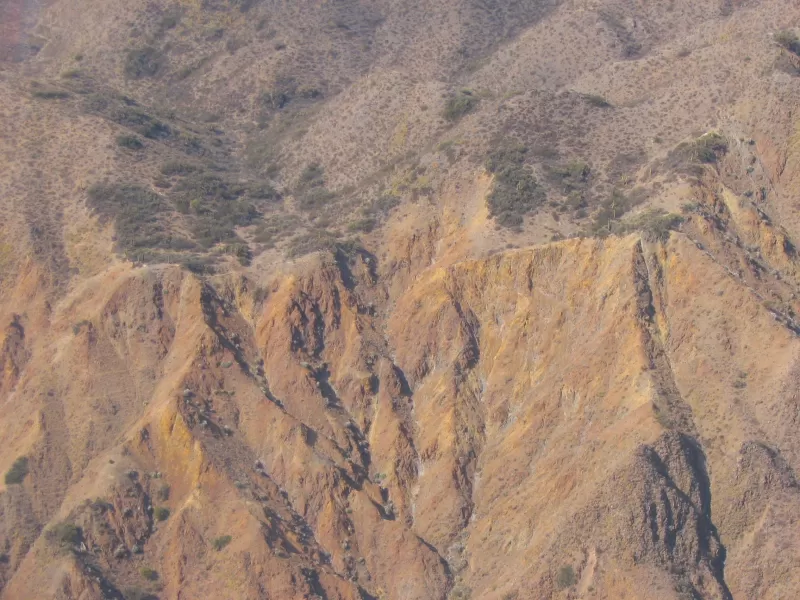
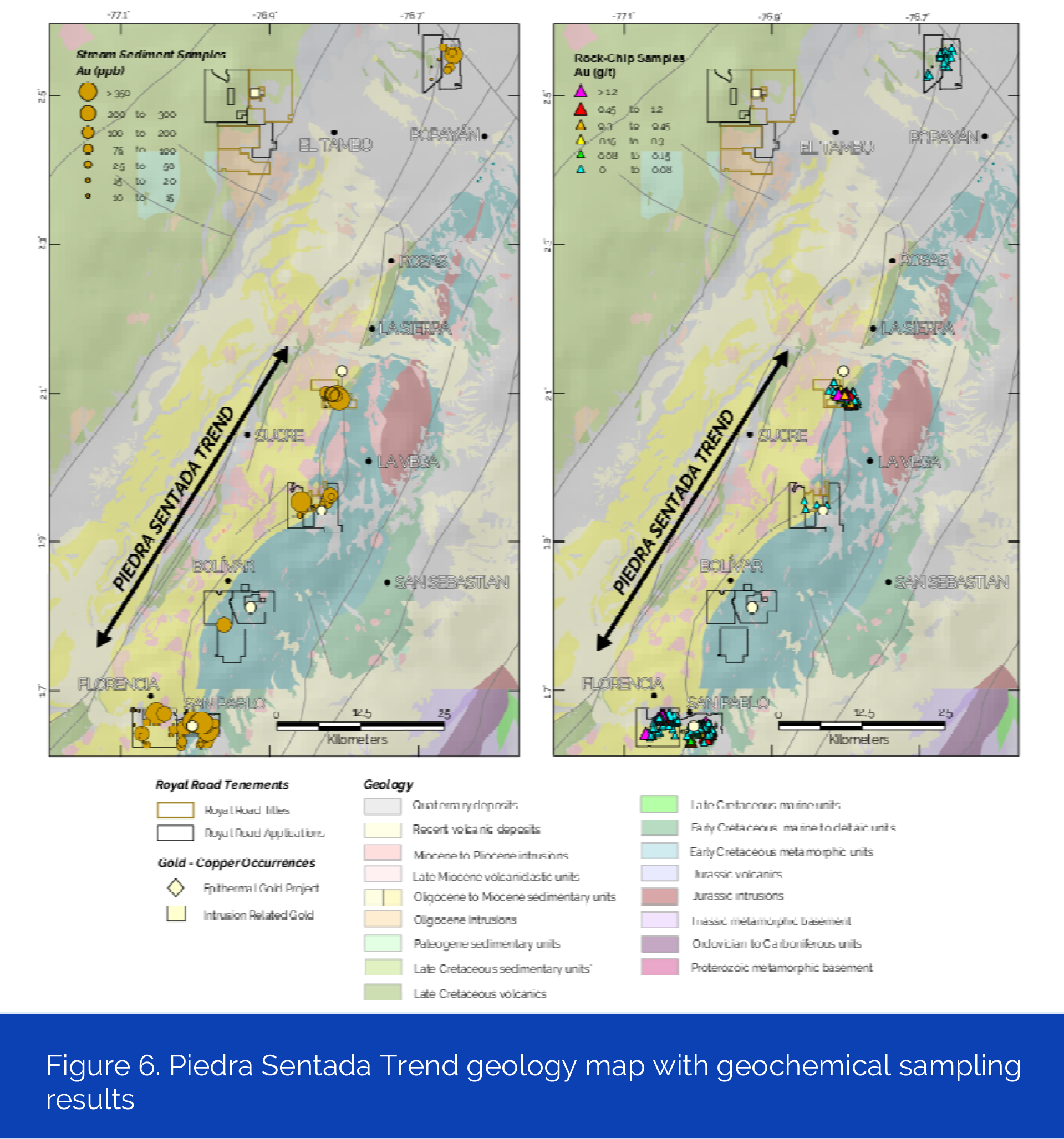
The Piedra Sentada trend presents an underexplored district-scale opportunity prospective for both porphyry copper-gold and epithermal gold mineralization. Reconnaissance mapping and sampling have identified potassic-altered dioritic rocks, epithermal vein systems and gold values of up to 14.2 g/t (see Figure 6), demonstrating the potential for multiple mineralizing systems within the same regional trend.
La Llanada Goldfield

The La Llanada Goldfield represents a district-scale opportunity including multiple known mines with a reported average grade of 30 g/t gold, having an estimated two million ounces of gold produced since early 1900s. The Company's 194 km² of granted mining titles spans almost the entirety of the La Llanada goldfields (see Figure 7). Mineralization is interpreted to be an Intrusion-Related Gold System with shallow-dipping veins. La Llanada is one of the most compelling Southern Block projects due to its extensive coverage of a historically productive high-grade goldfield only partially tested by modern exploration.
Rio Nulpe
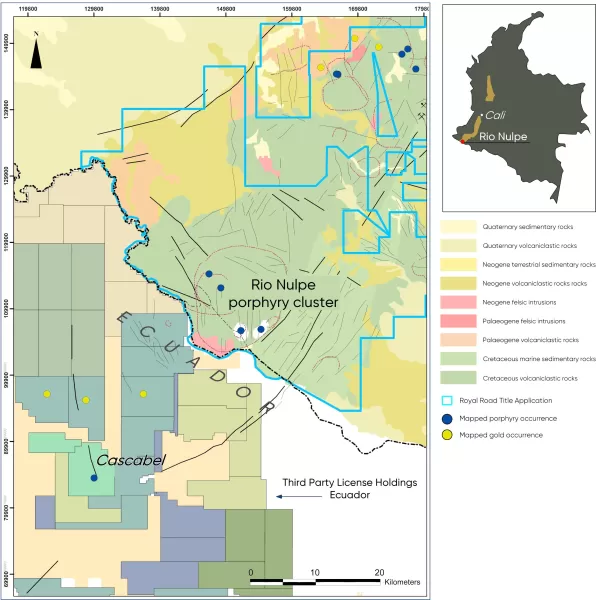
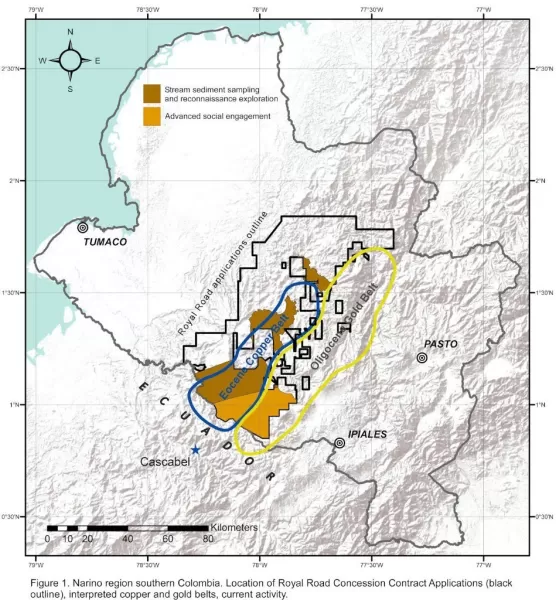
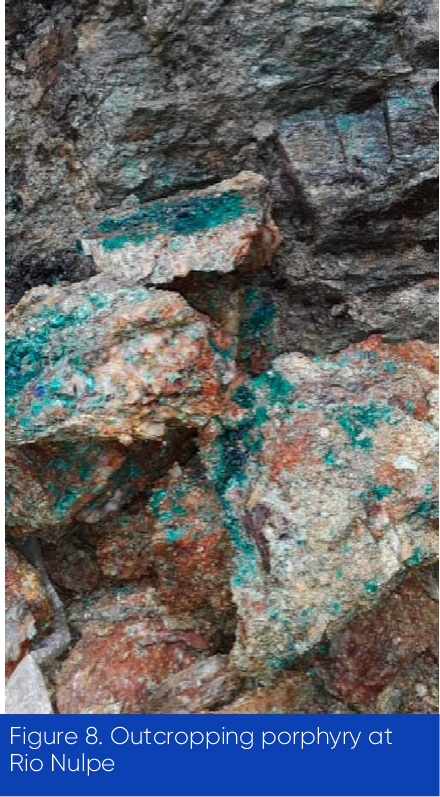
The Rio Nulpe project consists of approximately 540 km² of mining concession applications covering the northern extension of the Eocene porphyry copper-gold belt which hosts the Cascabel copper-gold discovery in Ecuador.
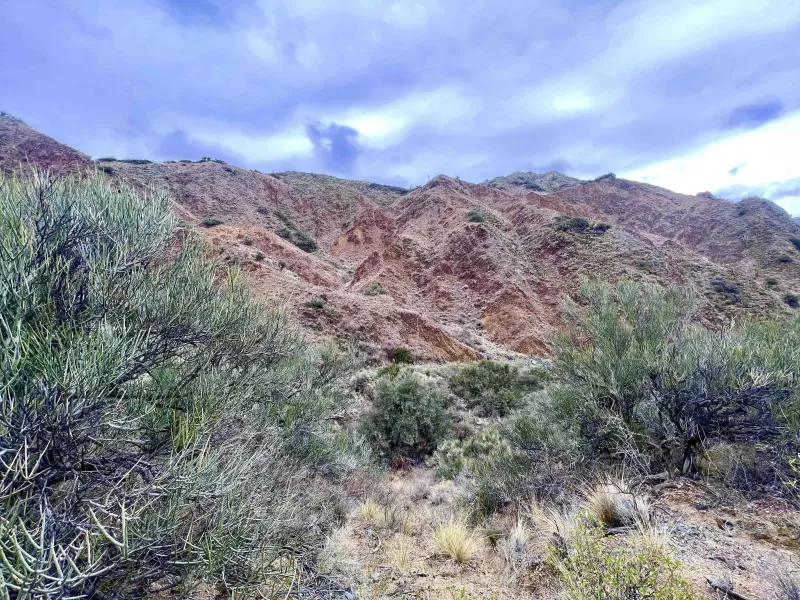
Royal Road has conducted reconnaissance exploration in the region and confirmed outcropping porphyry copper-gold systems (see Figure 8). Stream sediment sampling within the district has returned values of up to 3,586 ppb gold and 119 ppm copper, while float sampling of altered dioritic rocks has returned values of up to 1.6 g/t gold.
Next Steps
Looking ahead, Royal Road’s immediate focus is on positioning the country-wide portfolio for the next phase of exploration. The Company continues to advance social licensing initiatives, strengthen local stakeholder relationships and undertake detailed technical reviews to prioritize future exploration activities. This work is designed to ensure the portfolio remains technically refined and operationally prepared to progress as access conditions improve.
Thank you for your continued support and trust in our vision. We look forward to sharing more videos and updates with you in the coming months.
Respectfully Yours,
Royal Road Minerals
In Colombia Royal Road Minerals operates through its wholly-owned Colombian companies Minerales Camino Real SAS founded in 2015 and Exploraciones Northern Colombia SAS acquired from previous owners in 2019. In Saudi Arabia Royal Road Minerals operates through its 50% owned Saudi Arabian registered subsidiary, Royal Road Arabia. In Morocco Royal Road Minerals operates through its 100% owned subsidiary Minéraux Chemin Réel SARL AU.
Copyright 2026. Royal Road. All rights reserved